

Key Takeaways
Why a Pre-Purchase Inspection Matters
A test drive tells you how a car feels. A pre-purchase inspection (PPI) tells you what's actually going on underneath. These are two very different things. A vehicle can drive smoothly while hiding a cracked frame, a leaking transmission, or a timing chain nearing the end of its service life - problems that can cost thousands of dollars to fix.
As part of a thorough car-buying process, a PPI is one of the highest-value steps a used car buyer can take. It's especially important when buying from a private seller, where no lemon law protections or dealer accountability typically apply. Even certified pre-owned vehicles can benefit from an independent review - CPO programs vary widely in what they actually inspect and cover.
A vehicle history report is a useful starting point, but it has real limitations. Reports don't capture unreported accidents, deferred maintenance, or mechanical wear. A qualified mechanic brings eyes and hands to problems no database can detect.
Budget the Inspection Fee Into Your Purchase Plan
A pre-purchase inspection typically costs between $100 and $200 depending on your region and the shop's rates. That fee is money well spent compared to the potential cost of undisclosed repairs. Factor it into your pre-purchase checklist from the start rather than treating it as an afterthought.
What a PPI Covers
A thorough pre-purchase inspection typically takes 45 minutes to an hour and covers the following areas:
- Engine and drivetrain: Oil condition, coolant leaks, belt and hose condition, transmission fluid, and signs of unusual wear or overheating history.
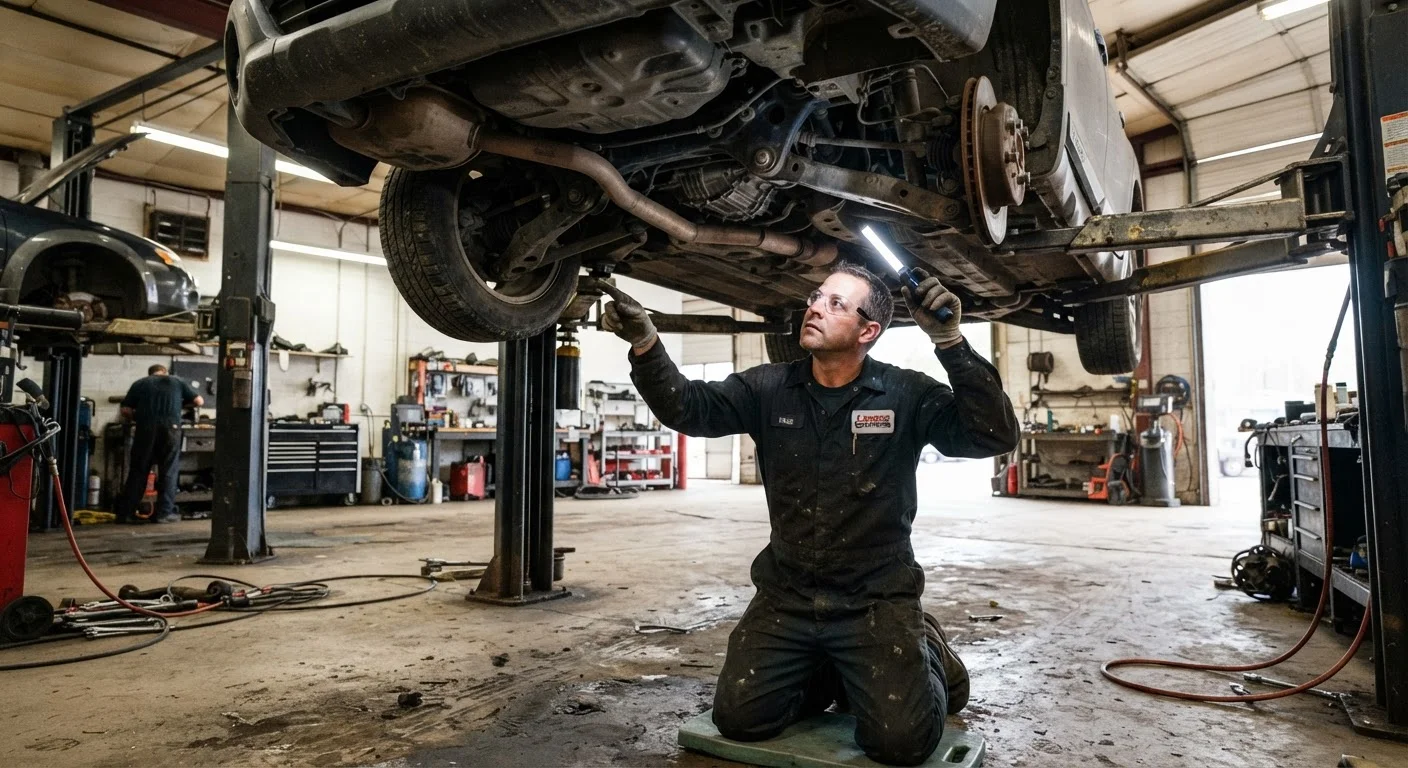
- Undercarriage: Frame integrity, rust, exhaust system condition, CV axles, and suspension components.
- Brakes: Pad thickness, rotor condition, brake lines, and caliper function.
- Tires: Tread depth, uneven wear patterns (which can signal alignment or suspension problems), and sidewall condition.
- Electrical systems: Battery health, lights, HVAC, windows, and any active warning codes scanned via OBD-II port.
- Body and paint: Signs of prior collision repair, panel gaps, and paint overspray that may not appear on a history report.
The mechanic will typically provide a written summary or checklist of findings. This document is important - it's both your record and your negotiating tool.
Online Listings Can Obscure Serious Problems
Photos and seller descriptions in listings are curated to present the vehicle favorably. Paint correction, detailing, and strategic photography can hide rust, panel damage, and other issues. Never skip a physical inspection based on how good a vehicle looks in photos or how confident a seller sounds.
How to Set Up and Complete a Pre-Purchase Inspection
What you will need
Follow these steps to arrange a PPI before you commit to purchasing any used vehicle.
Identify an Independent Mechanic
Choose a mechanic who has no connection to the seller. This is essential - the inspection only has value if the inspector is working solely in your interest. Good options include an ASE-certified independent shop, a trusted local garage, or a mobile inspection service that specializes in PPIs. Avoid using the dealership's own service department for a car you're buying from that dealership.
Get the Seller's Agreement
Before scheduling anything, confirm with the seller that they will allow the inspection. Most private sellers and reputable dealerships will agree - reluctance or outright refusal is itself a meaningful warning sign. Agree on a time window and location. Ideally, the car goes to the mechanic's shop; some mobile inspection services can meet at the seller's location.
Schedule and Coordinate Logistics
Contact the mechanic and book an appointment. Provide them with the vehicle's year, make, model, and approximate mileage so they can prepare. If you're transporting the car yourself (with the seller's permission), confirm insurance and title arrangements briefly in advance. For private sales, it's common for the seller to drive the vehicle to the shop with you present.
Review the Written Inspection Report
Ask the mechanic to walk you through any findings verbally before you leave the shop. Request a written report - most shops provide one as standard practice. Pay close attention to items flagged as safety concerns or repairs estimated above a few hundred dollars. Ask the mechanic directly: "Would you buy this car?" Their candid answer, while informal, can be useful context.
Make Your Decision
With the inspection report in hand, decide whether to proceed, negotiate, or decline. Factor in the total cost of ownership: purchase price plus estimated near-term repairs. If repairs are needed, compare the adjusted total against similar vehicles in the market before agreeing to any price. A clean inspection report can also give you confidence to finalize the deal efficiently.
How to Use the Inspection Results
Once you have the inspection report in hand, you have three realistic paths:
- Proceed as-is: If the car checks out cleanly, you can buy with greater confidence.
- Negotiate: Use documented repair estimates from the mechanic to negotiate a lower price or ask the seller to address specific issues before closing.
- Walk away: If the inspection uncovers major structural damage, significant rust, or repair costs that approach or exceed the car's value, declining the purchase is a sound decision - not a loss.
If you're a first-time buyer, this step can feel uncomfortable, but it's one of the most financially protective moves available to you. See our first-time car buyer's guide for more context on where a PPI fits in the larger process.
Also worth noting: a PPI is not a guarantee of future reliability. Mechanical components wear over time, and no inspection can predict every failure. It does, however, dramatically reduce the chance of buying a car with serious pre-existing problems.