

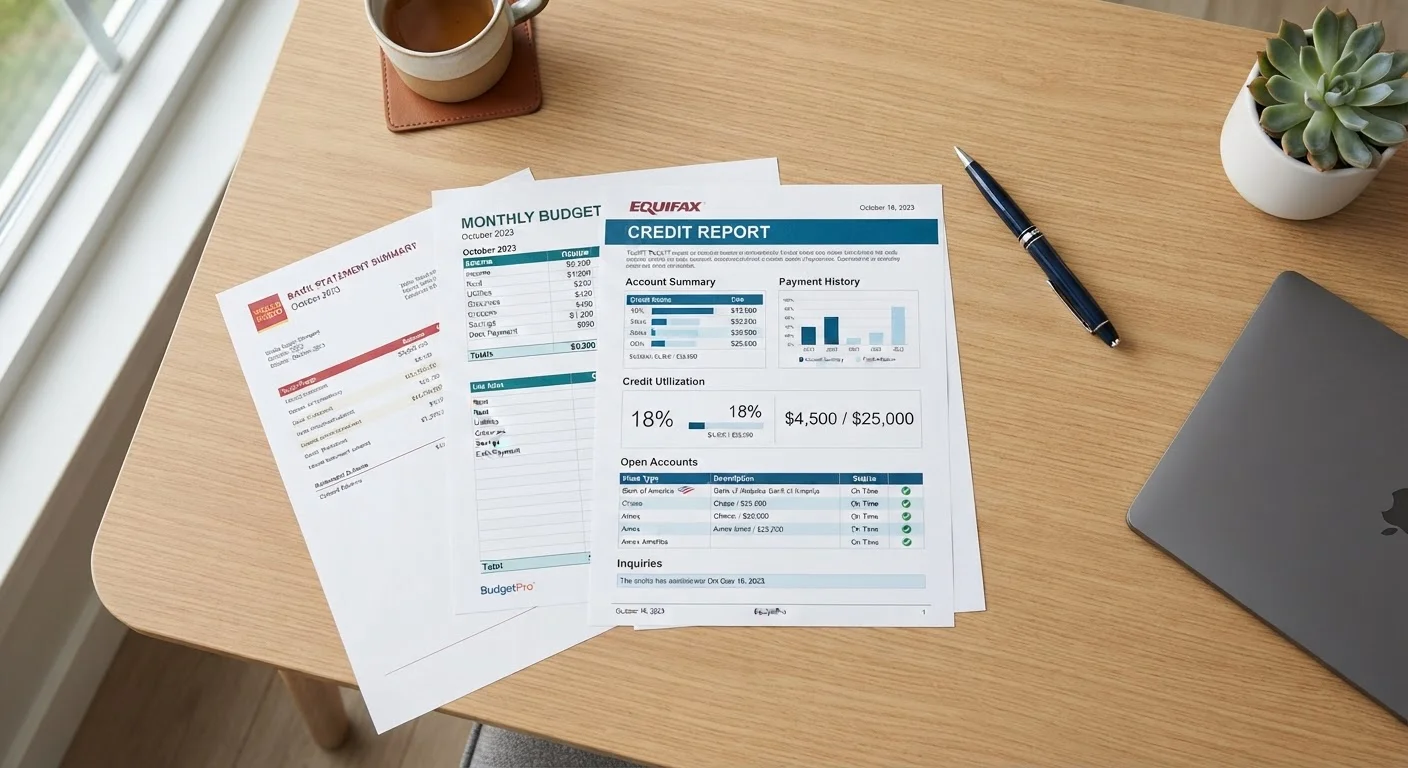
Why Credit Terminology Matters
Credit agreements, loan disclosures, and billing statements are full of terms that carry real financial consequences - yet most people sign documents without fully understanding the language inside them. Knowing what a charge-off or a hard inquiry actually means isn't just trivia; it shapes how you borrow, repay, and protect your financial standing over time.
This reference covers the terms most likely to appear on your credit report, loan paperwork, or monthly statements. Whether you're managing existing debt or preparing to apply for a mortgage or auto loan, this glossary is a practical starting point. For a parallel look at money-growth vocabulary, see our savings and investing terms reference.
Core Terms Defined
The terms below cover the concepts that come up most frequently in credit and debt conversations. Understanding them as a group - rather than in isolation - helps you see how they interact.
For context on how debt fits into your broader monthly budget, our budgeting categories reference explains where debt service typically sits relative to other spending.
How These Terms Connect to Your Credit Score
A credit score isn't a single data point - it's calculated from several weighted factors, each tied to specific behaviors and account characteristics described in this glossary.
Payment history (35% of your FICO score) is directly affected by delinquency. Even one missed payment reported to the bureaus can move your score meaningfully. Amounts owed (30%) is closely tied to your credit utilization ratio on revolving accounts. Carrying high balances relative to your limits signals risk to lenders, even if you pay on time.
Length of credit history, credit mix (having both installment loans and revolving credit), and new credit inquiries make up the remaining scoring weight. Hard inquiries - triggered when you formally apply for credit - have a temporary but real effect. Shopping for a mortgage or auto loan within a short window is typically treated as a single inquiry by major scoring models, limiting the score impact.
Charge-offs and delinquencies remain on your credit report for up to seven years under the Fair Credit Reporting Act, but their influence on your score diminishes over time as positive account history accumulates. If you're purchasing a home and want to understand how lenders use these scores in practice, our real estate glossary covers related mortgage terminology in depth.
This article is for general informational and educational purposes only. It does not constitute personalized financial or credit advice. Consult a qualified financial professional for guidance specific to your situation.