

Key Takeaways
Start here
Why Electrical Work Demands Extra Caution
Next
What Homeowners Can Safely Do Themselves
Then
When You Must Call a Licensed Electrician
Important context
Permits, Inspections, and Local Codes
Know the signs
Warning Signs Your Home's Wiring Needs Attention
Why Electrical Work Demands Extra Caution
Electricity is invisible, fast-acting, and unforgiving. Unlike a leaky faucet or a cracked tile, an electrical mistake can cause a fire inside your walls - sometimes hours or days after the work is done - or deliver a lethal shock in an instant. This is why electrical work sits in a different risk category from most home repairs.
The U.S. Fire Administration identifies electrical malfunctions as a leading cause of residential structure fires each year. Many of those incidents trace back to improper connections, undersized wiring, or work performed without adequate knowledge of how circuits behave under load. For a broader look at how underestimating home systems leads to costly surprises, see our guide to home maintenance myths.
The goal here is not to discourage all hands-on involvement - it's to help you understand exactly where the line falls between a manageable DIY task and work that belongs with a licensed professional.
What Homeowners Can Safely Do Themselves
Several electrical tasks are genuinely within reach for a careful, informed homeowner - provided the power to the affected circuit is confirmed off using a non-contact voltage tester, not just assumed off.
- Replacing a light switch or outlet: Swapping a like-for-like device on an existing circuit is one of the most manageable DIY electrical jobs. Take a photo of the existing wiring before disconnecting anything, match wire colors carefully, and ensure connections are tight.
- Installing a ceiling fan where a light fixture exists: If the existing box is rated for a ceiling fan's weight, replacing a light fixture with a fan is achievable. Do not assume any ceiling box qualifies - fan-rated boxes are required.
- Replacing a standard outlet with a GFCI outlet: Ground fault circuit interrupter (GFCI) outlets are required in wet areas like bathrooms, kitchens, and garages. Replacing a standard outlet with a GFCI model follows the same basic process as outlet replacement.
- Resetting a tripped breaker: Flipping a breaker back is safe, but if the same breaker trips repeatedly, that's a sign of an underlying problem that needs professional diagnosis.
Always Verify Power Is Off - Don't Just Trust the Breaker
Breaker panels are frequently mislabeled, and some outlets may be on a different circuit than you expect. Before touching any wiring, use a non-contact voltage tester on the outlet or switch you're working on. These testers cost under $20 at most hardware stores and are a non-negotiable safety step.
When You Must Call a Licensed Electrician
Some electrical tasks are regulated, inherently hazardous, or both - and no amount of confidence or YouTube research changes that calculus. Call a licensed electrician for:
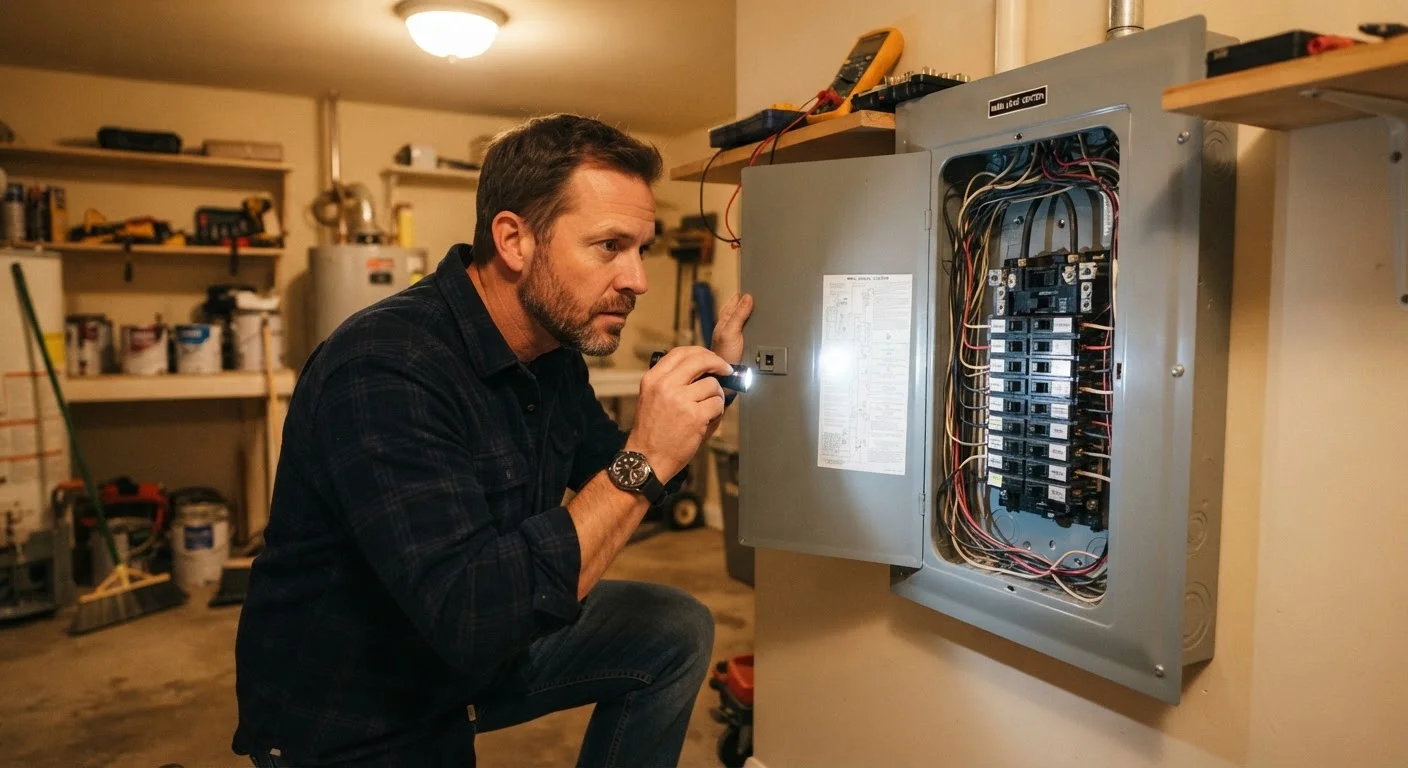
- Any work inside the main electrical panel: The panel contains always-live conductors that cannot be turned off from inside your home. This includes adding breakers, upgrading service, or any panel replacement.
- Running new circuits: Adding circuits for a new room, a hot tub, an EV charger, or a major appliance requires sizing wiring correctly, routing it safely, and connecting it to the panel - all of which require permits and inspection.
- Aluminum wiring remediation: Homes built between roughly 1965 and 1973 may have aluminum branch wiring, which requires specific approved connectors or rewiring to reduce fire risk. This is specialized work.
- Knob-and-tube wiring: This very old wiring style lacks a ground wire and can't safely support modern loads. Consult a professional before modifying anything connected to it.
For a deeper look at where DIY electrical projects most commonly go wrong, the explainer on DIY electrical mistakes and code requirements is worth reading before you pick up a screwdriver.
Permits, Inspections, and Local Codes
In most U.S. jurisdictions, electrical work beyond simple device replacement requires a permit pulled from your local building department, followed by an inspection when the work is complete. This process exists to catch dangerous errors before walls are closed and hazards are hidden.
Skipping permits has real consequences. Unpermitted electrical work can:
- Void or reduce your homeowner's insurance claim if a fire originates in the affected area.
- Create legal liability if a future occupant is harmed.
- Require expensive remediation or disclosure during a home sale.
Your local building department can tell you exactly which tasks require permits in your municipality. Requirements vary enough between cities and counties that what's permitted without a license in one area may require a licensed contractor in another. Always verify before starting. For broader context on smart home additions that often require this same permitting awareness, see the trade-offs of smart home gadgets.
Warning Signs Your Home's Wiring Needs Attention
Your home often gives early warnings before an electrical problem becomes a crisis. Take these signals seriously and contact a licensed electrician promptly if you notice:
- Flickering or dimming lights - especially when appliances cycle on, which can indicate loose connections or an overloaded circuit.
- Warm, discolored, or sparking outlets - heat around an outlet is not normal and suggests a dangerous condition.
- A persistent burning smell - with no obvious source. This can indicate overheating insulation inside walls.
- Breakers that trip frequently - a breaker that trips repeatedly under normal use is doing its job by protecting you, but the underlying cause needs diagnosis.
- Two-prong outlets throughout the home - these ungrounded outlets are a sign of an older system that may not safely support today's appliances and electronics.
- A fuse box instead of a circuit breaker panel - fuse boxes are outdated and insurers sometimes decline coverage or charge higher premiums for homes with them.
Catching these issues early is almost always less expensive than dealing with the aftermath of an electrical fire or failed system. Proactive maintenance - including professional inspections - is one of the most effective ways to protect the investment you've made in your home. See our home improvement hub for guidance on keeping other major systems in good shape.
This article provides general educational information about home electrical systems and is not a substitute for advice from a licensed electrician. Electrical work involves serious safety risks. Always consult a qualified professional and verify local permit requirements before undertaking any electrical project.