

Key Takeaways
Implied Warranty of Habitability
The implied warranty of habitability is a legal doctrine recognized in most U.S. states that requires landlords to maintain rental properties in a livable condition throughout a tenancy. It means the property must meet basic health and safety standards - regardless of what a lease says or doesn't say. The warranty is considered "implied" because it exists by operation of law, not because it must be written into the lease agreement.
The warranty originates from the landmark 1970 case Javins v. First National Realty Corp. and has since been codified or recognized by statute or common law in the vast majority of states, though the specific standards and tenant remedies vary by jurisdiction.
What 'Habitable' Actually Means in Practice
The implied warranty of habitability sets a floor - not a ceiling - for rental housing conditions. It doesn't guarantee a luxury apartment, but it does guarantee a unit that meets basic health and safety standards. While exact requirements vary by state and sometimes by city, most jurisdictions require that a rental unit:
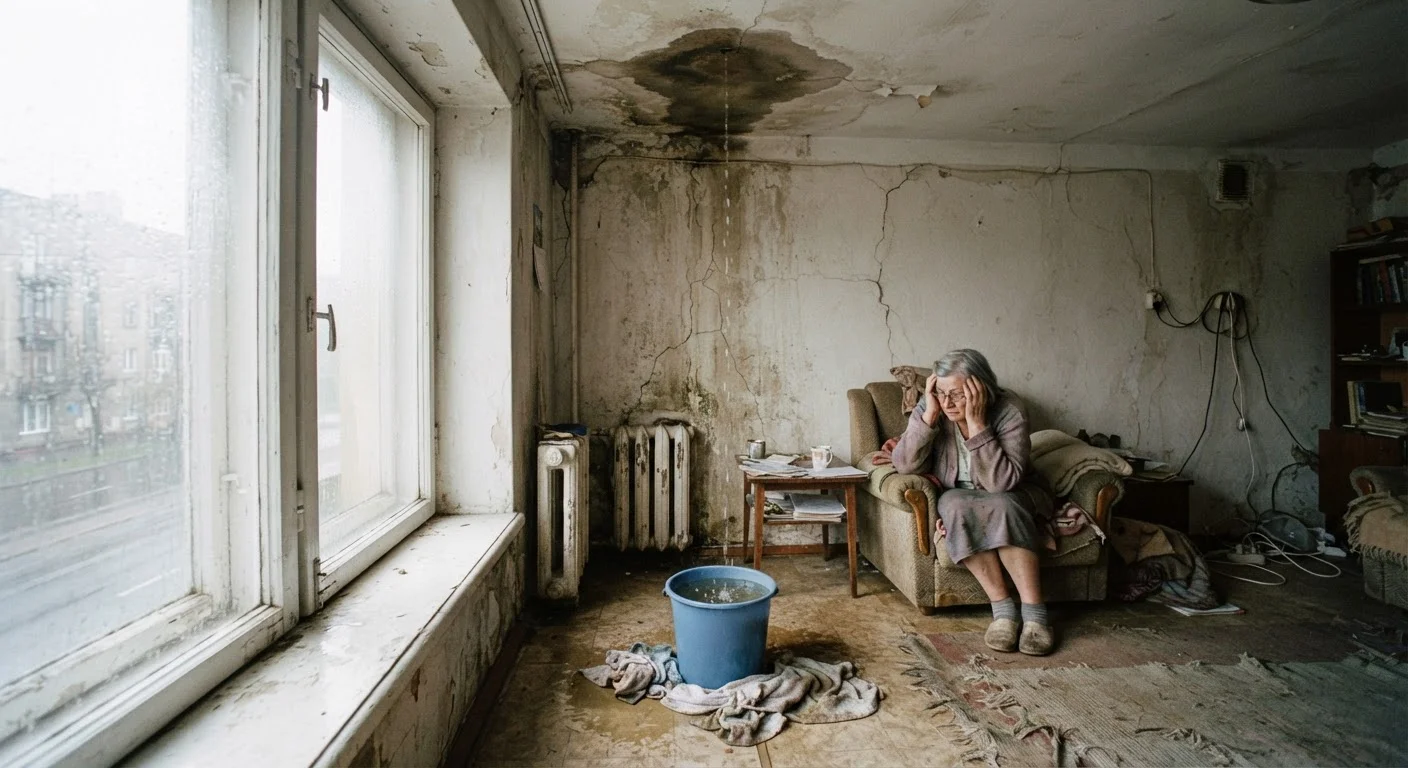
- Has a structurally sound roof, walls, and foundation free from significant leaks or collapse risk
- Provides adequate heat, hot water, and running water in working condition
- Has functional electrical systems, lighting, and plumbing
- Is free from serious pest infestations, mold, or environmental hazards such as lead paint or asbestos in disrepair
- Has working locks on exterior doors and windows for basic security
- Meets applicable local building and housing codes
A broken cabinet hinge or a slow-draining sink is unlikely to rise to the level of a habitability violation. Structural flooding, a non-functional furnace in January, or raw sewage backup almost certainly would. The standard is whether the condition materially threatens the health or safety of occupants.
State and Local Laws Vary Significantly
Habitability requirements are not uniform across the country. Some cities - particularly in California, New York, and Illinois - have housing codes that exceed the state minimum standard. A condition that qualifies as a violation in one city may not in another. Always check your specific state statutes and local housing codes, or contact your city or county housing department for authoritative guidance.
What the Warranty Does Not Cover
The habitability standard does not require landlords to maintain amenities - things like a working dishwasher, fresh paint, or upgraded appliances - unless those items are specifically called out in the lease or required by local code. The distinction matters: if a unit has an older but functional stove, that's generally acceptable. If it has no stove at all and local code requires one, that may be a different story.
Tenant-caused damage is also excluded. If a renter's actions create an unsafe condition - say, overloading electrical outlets or blocking ventilation - the landlord's habitability obligation doesn't automatically require them to fix it at their own expense. Responsibility for repairs caused by tenant negligence or misuse typically falls on the tenant, per most lease agreements and state laws.
For a broader look at what protections the law affords renters, see tenant rights many renters overlook.
~47
States with formal repair-and-deduct statutes
According to the National Housing Law Project and state-by-state analyses, the majority of U.S. states have enacted some form of repair-and-deduct or rent withholding remedy for tenants facing habitability failures.
1970
Year the implied warranty was first broadly established
The landmark federal appellate case Javins v. First National Realty Corp. in 1970 was pivotal in establishing that landlords owe tenants an ongoing warranty of habitability, replacing older "buyer beware" rental law doctrine.
What Tenants Can Do When Habitability Is Violated
If a landlord fails to address a genuine habitability issue, tenants typically have several legal remedies available - but the specific options depend heavily on state law. Common remedies include:
- Repair and deduct: Tenants hire a licensed repair person, pay for the work, and deduct the cost from rent, up to a statutory cap. This is allowed in roughly half of U.S. states, often with limits on frequency and dollar amount.
- Rent withholding or escrow: Some states allow tenants to stop paying rent or deposit it into a court-supervised escrow account until repairs are made. Strict procedural steps must be followed.
- Rent reduction: Tenants may petition for a reduced rent reflecting the diminished value of an uninhabitable unit.
- Lease termination: A serious and unresolved habitability failure may give the tenant grounds to terminate the lease without penalty - sometimes called "constructive eviction."
- Code enforcement complaints: Contacting your local housing or building department to conduct an inspection is often the most straightforward first step and creates an official record.
Before pursuing any remedy, document the issue thoroughly. Written notice to the landlord - sent in a format you can verify - is typically required before any self-help remedy is available. Keeping a clear paper trail is essential when a dispute escalates.
Landlords are also broadly prohibited from retaliating against tenants who assert habitability rights - by raising rent, refusing to renew a lease, or initiating eviction. If you believe you're facing retaliation, consult a local tenant rights organization or a licensed attorney familiar with your state's law.
Always Notify in Writing First
Before pursuing any legal remedy, send your landlord a written notice describing the specific problem, the date you first observed it, and a reasonable deadline for repair. Keep a copy. This step is not just good practice - in most states, written notice is a legal prerequisite to exercising remedies like repair-and-deduct or rent withholding. See how to document landlord communications properly.
This article is for general informational and educational purposes only and does not constitute legal advice. Habitability laws vary significantly by state and locality. Consult a qualified attorney or tenant rights organization in your area for guidance specific to your situation.