

Key Takeaways
Why NYC Trips Go Sideways - and How to Get Ahead of It
New York City is one of the most visited destinations in the United States, and for good reason - the density of culture, food, neighborhoods, and energy is genuinely unmatched. But that same density is exactly what trips up first-time visitors. The city is large, fast-moving, and unforgiving of poor planning assumptions.
The mistakes below aren't obscure edge cases. They're the consistent, recurring missteps that leave first-timers exhausted, over-budget, or feeling like they somehow missed the city entirely - even after five days. If you're planning your first big trip, NYC deserves some specific preparation.
Treating the subway as a last resort instead of the primary way to get around.
Why it happens: Visitors used to driving or smaller cities default to rideshares because the subway map looks intimidating at first glance.
Packing too many neighborhoods into a single day's itinerary.
Why it happens: NYC looks compact on a phone screen, leading visitors to assume they can hop from Brooklyn Heights to the Upper East Side to SoHo in a few hours.
Assuming every worthwhile NYC experience requires a big spend.
Why it happens: NYC's reputation for expense makes visitors assume that anything memorable must come with a price tag.
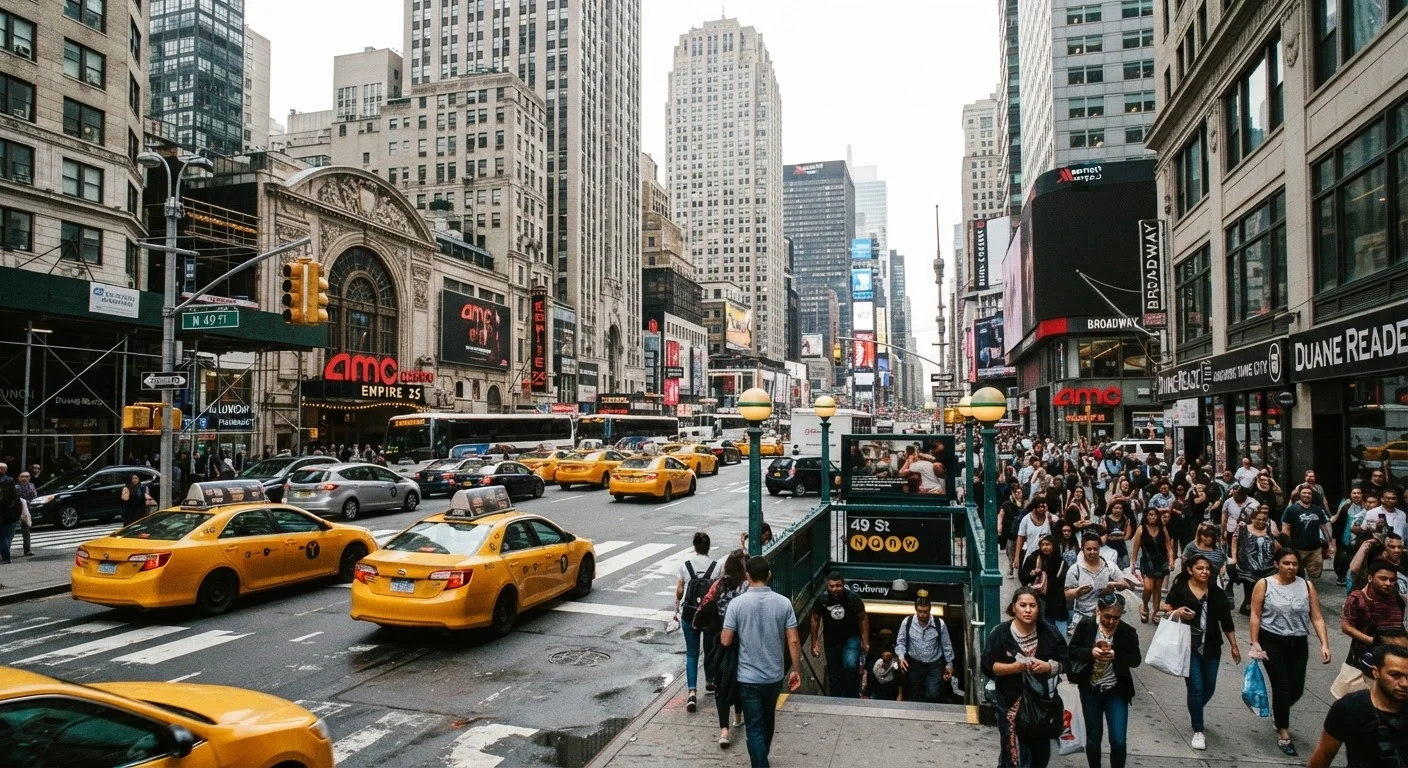
Basing accommodation in Times Square without considering what that means day-to-day.
Why it happens: Times Square is the most recognizable part of the city, so first-timers gravitate toward it as a default anchor point.
Underestimating how physically demanding a full day in New York City is.
Why it happens: Travelers plan sightseeing around attraction count rather than distance and pace, not accounting for subway stairs, concrete walking, and standing in lines.
Skipping pre-trip research and winging it entirely once on the ground.
Why it happens: The city's energy can feel like it rewards spontaneity, and some visitors assume they'll just figure it out as they go.
Setting Yourself Up for a Trip That Actually Delivers
The visitors who leave New York raving about it almost always share a few things in common: they moved at a sustainable pace, they used the subway confidently, and they didn't try to "complete" the city in one visit. NYC is the kind of place that gets better the more deliberately you engage with it.
Times Square Hotels Cost More for Less
Hotels in and immediately around Times Square typically run significantly higher rates than comparable properties in neighborhoods like Chelsea, the Upper West Side, or Long Island City. The area is loud, crowded around the clock, and not centrally located for most attractions outside Midtown. Consider where you actually plan to spend your time before committing to a home base.
A useful mental shift is to treat each borough as its own destination - Brooklyn alone could anchor two full days without any filler. Wandering a single neighborhood deeply almost always produces better memories than rushing through five. For contrast, consider how a focused approach also transforms trips to other dense cities - first-time visitors to Paris face many of the same planning pitfalls.
Don't Rely Solely on Rideshares
In Manhattan, rideshare and taxi trips can easily take twice as long as the subway during peak hours due to grid congestion. During rush hour or rainy days, surge pricing compounds the delay. Learning even the basics of the subway map before you arrive can save both time and real money across a multi-day trip.
Check official sources for up-to-date entry requirements, transit changes, and any timed-entry ticket systems before your travel dates, as policies and operations can shift. The Trip Planning Tips hub has additional tools for building a smarter, less stressful itinerary regardless of where you're headed next.