

Key Takeaways
How Brake Pads and Rotors Actually Wear
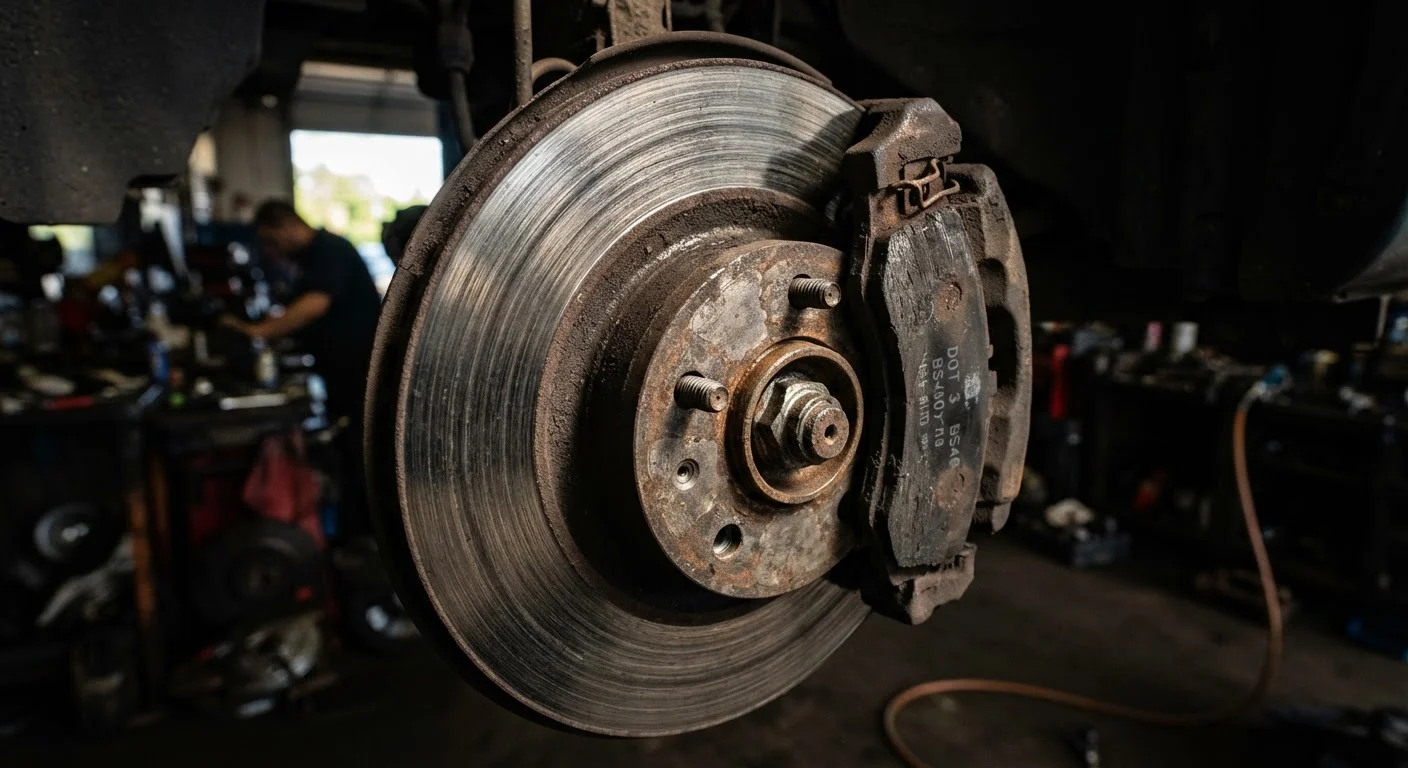
Your vehicle's braking system works by converting kinetic energy into heat through friction. Brake pads - the replaceable friction material - clamp against the rotors (the large metal discs behind each wheel) every time you press the pedal. Over thousands of stops, both components wear down gradually.
New brake pads are typically 10-12 mm thick. Most manufacturers recommend inspection once the friction material reaches about 3-4 mm and replacement at or before 2 mm. Rotors thin over time as well, and each manufacturer specifies a minimum thickness - once a rotor drops below that spec, it can warp under heat and lose stopping effectiveness.
Driving style has an outsized effect on wear rates. Frequent highway driving with gradual, spaced-out braking is far gentler on pads than stop-and-go urban commuting or heavy towing. For a broader view of how braking fits into overall vehicle upkeep, see Everything That Goes Into Keeping a Car Road-Ready.
22%
Brake-related crashes among vehicle defect incidents
According to NHTSA crash causation data, brake system failure is among the most frequently cited vehicle-related factors in crashes attributed to mechanical defects.
25,000-65,000 mi
Typical brake pad replacement range
The actual interval varies widely based on driving environment, load, and pad material - city driving shortens life considerably compared to highway use.
Decoding the Warning Signs
Your brakes communicate wear through several distinct symptoms. Learning to interpret each one accurately lets you act at the right time - not too late.
Squealing or High-Pitched Squeaking
This is usually the first deliberate signal your vehicle sends. Most modern brake pads include a small metal tab called a wear indicator. When the pad wears to a critical minimum, this tab contacts the rotor and produces a squealing sound during normal braking. It's a designed warning, not a malfunction. If the sound stops when you press the brake, that's the indicator at work.
Grinding Noise
Grinding - a harsh metallic scraping - means the pad friction material is fully depleted and the metal backing plate is in direct contact with the rotor. This damages the rotor rapidly and compromises stopping distance. At this stage, a mechanic visit is non-negotiable, not optional.
Soft, Spongy, or Low Brake Pedal
A pedal that travels unusually far before braking engages, or feels soft underfoot, often points to air in the brake lines or degraded brake fluid. Brake fluid absorbs moisture over time, which lowers its boiling point and can cause performance loss under heavy use. Learn how brake fluid fits into your vehicle's overall fluid maintenance.
Pulling to One Side
If your vehicle drifts left or right during braking without input from the steering wheel, the brake calipers or pads may be wearing unevenly - or one caliper may be sticking. Uneven braking forces can affect vehicle stability and warrant professional diagnosis.
Vibration or Pulsing in the Pedal
A pulsing sensation underfoot during braking typically indicates warped rotors. Rotors can warp from overheating (often caused by riding the brakes on a long downhill) or from uneven torque during wheel installation. Resurfacing or replacement restores smooth braking.
“The braking system is your last line of defense on the road. By the time most drivers notice something is wrong, the window for low-cost maintenance has already closed.”
— National Highway Traffic Safety Administration, U.S. federal vehicle safety regulator
Best Practices for Managing Brake Health
Proactive habits extend brake life and keep your stopping system reliable between scheduled service visits.
Inspect brake pads visually through the wheel spokes at every tire rotation.
Tire rotations typically occur every 5,000-7,500 miles - a natural interval for eyeballing pad thickness without additional effort or cost. Catching low pads early prevents rotor damage, which is significantly more expensive to repair than a simple pad replacement.
Replace brake fluid according to your vehicle manufacturer's interval, typically every two years.
Brake fluid is hygroscopic, meaning it absorbs moisture from the air over time. Moisture contamination lowers the fluid's boiling point, which can cause brake fade during heavy use - a serious safety concern. Fresh fluid maintains consistent pedal feel and system pressure.
Avoid riding the brakes on long descents - use engine braking instead.
Sustained light pressure on the brakes during a downhill generates prolonged heat that can warp rotors and fade pads. Downshifting to a lower gear lets the engine absorb speed, preserving your braking system for when it's truly needed.
Address brake warning lights immediately rather than delaying diagnosis.
Most modern vehicles have a dedicated brake warning light tied to pad wear sensors or hydraulic pressure. Ignoring this indicator allows conditions to worsen, potentially leading to rotor damage or brake failure. Early diagnosis is almost always less expensive than delayed repair.
Keep tires properly inflated and aligned to reduce uneven brake stress.
Underinflated or misaligned tires cause the vehicle to handle asymmetrically, which can translate into uneven braking forces across the front axle. Even brake wear depends partly on even tire contact with the road surface.
Quick Actions You Can Take Right Now
You don't need a lift or a toolbox to start monitoring your brakes. Several checks are straightforward enough to do in a parking lot or driveway.
If you notice any of the warning signs described above - especially grinding, a soft pedal, or the brake warning light - have a qualified mechanic inspect the system before driving further than necessary. For drivers with older or high-mileage vehicles, brake inspection intervals should be shortened as components age and wear rates become less predictable. Brakes are also worth reviewing as part of any pre-trip routine - see Before You Pull Out of the Driveway for a complete safety checklist.