

Key Takeaways
Chronic Stress
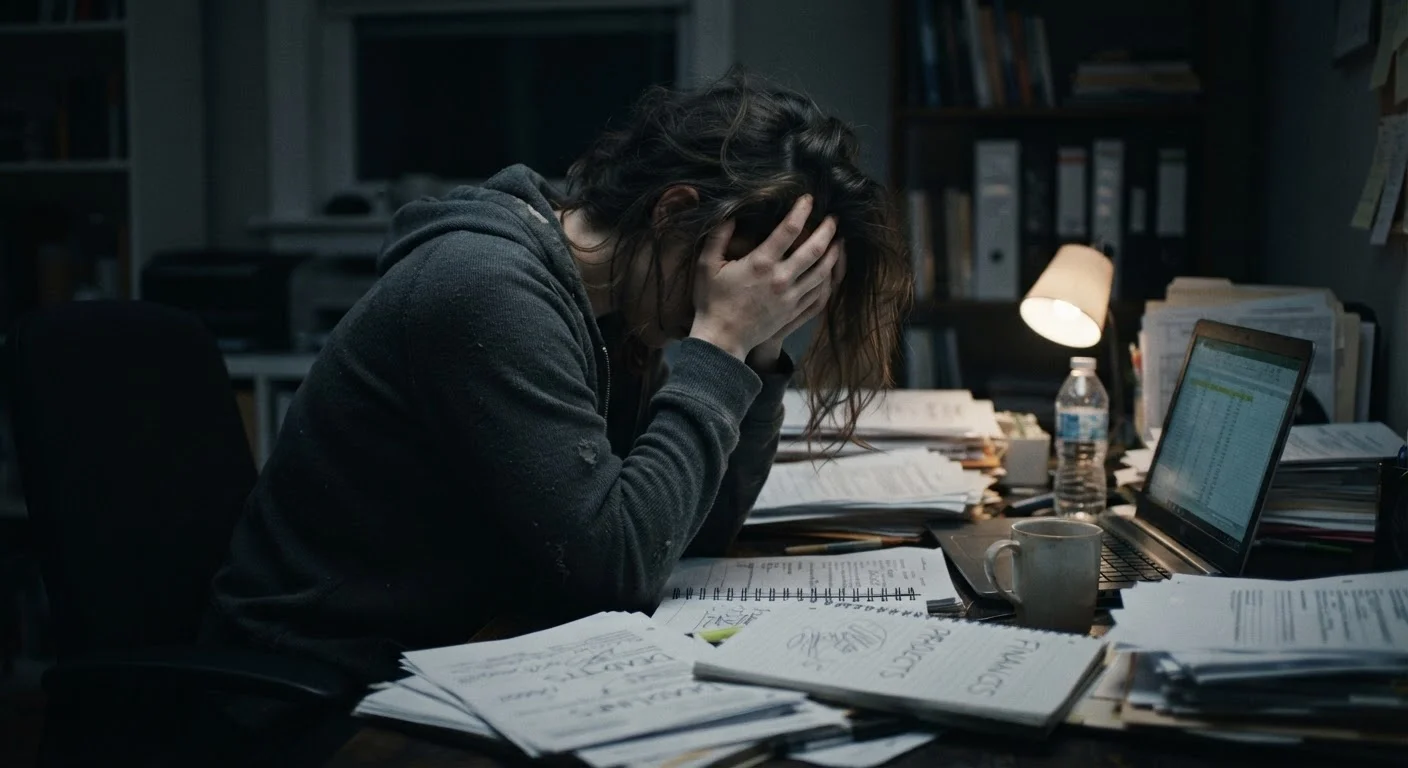
Chronic stress is prolonged, ongoing psychological or physiological strain that persists over weeks, months, or years - unlike the short-lived stress you feel before a presentation. The body's stress response was designed to be temporary, and when it stays switched on, it begins to wear down nearly every major organ system. It is not simply "feeling overwhelmed"; it is a measurable biological state with real health consequences.
Chronic stress is associated with sustained elevation of cortisol and other stress hormones, leading to dysregulation of the hypothalamic-pituitary-adrenal (HPA) axis - the central hormonal stress circuit.
The Biology Behind the Burden
When you face a threat - real or perceived - the brain activates the sympathetic nervous system, releasing adrenaline and cortisol. Heart rate rises, muscles tense, digestion slows. This is the fight-or-flight response, and it is extraordinarily effective for short-term survival.
The problem is that modern stressors - financial pressure, relationship conflict, job insecurity - do not resolve in minutes. They persist. And when the stress response stays active for weeks or months, the body pays a steep biological price. Cortisol, helpful in bursts, becomes harmful at chronically elevated levels, acting like an uninvited long-term houseguest that gradually damages the rooms it occupies.
Many people misread their own stress signals - attributing physical symptoms to other causes - which delays recognition and response.
77%
Americans reporting physical stress symptoms
According to surveys conducted by the American Psychological Association, a significant majority of U.S. adults report experiencing physical symptoms they associate with stress.
2-3×
Elevated heart disease risk under chronic stress
Research published in medical literature has associated high chronic psychological stress with substantially elevated cardiovascular risk, particularly in the absence of effective coping strategies.
40%
Adults reporting stress-related sleep problems
The American Psychological Association has found that a significant proportion of adults identify stress as a primary driver of sleep disturbance.
How Chronic Stress Harms Major Body Systems
Heart and Cardiovascular System
Sustained stress keeps blood pressure and heart rate elevated above healthy baselines. Over time, this strains arterial walls, contributes to inflammation, and increases risk of hypertension and heart disease. Studies have found associations between chronic psychological stress and higher rates of cardiac events - though individual risk depends on many factors.
Immune System
Cortisol suppresses inflammatory responses that the immune system normally uses to fight pathogens. Chronically stressed individuals tend to get sick more often, recover more slowly, and may experience heightened low-grade inflammation - a driver of many chronic diseases.
Brain and Mental Health
Sustained high cortisol can impair the hippocampus - a brain region central to memory and learning. Concentration narrows, emotional regulation weakens, and vulnerability to anxiety and depression increases. These are not character flaws; they are physiological consequences of a system under prolonged strain.
Sleep and the Stress Cycle
Stress disrupts sleep architecture, and poor sleep amplifies stress - creating a reinforcing cycle. Cortisol naturally peaks in the morning to promote wakefulness, but chronic stress desynchronizes this rhythm, leaving people wired at night and fatigued during the day. This pattern mirrors what is seen in circadian disruption, which our coverage of circadian rhythm effects on the body explores further.
Digestive System
The gut and brain communicate via the gut-brain axis. Chronic stress alters gut motility, disrupts the microbiome, and can worsen conditions like irritable bowel syndrome. Stress-related stomach pain, nausea, and appetite changes are physiologically real, not imagined.
Tracking Symptoms Can Help You and Your Doctor
Keeping a brief daily log of physical symptoms - headaches, sleep quality, digestive issues, energy levels - alongside stress-related events can reveal patterns that are easy to miss in the moment. Sharing this log with a healthcare provider gives them useful context for assessment. It also helps counter the tendency to dismiss physical symptoms as unrelated to stress.
From Stress to Burnout: Recognizing When It Shifts
Chronic stress and burnout share overlapping symptoms but are meaningfully different states. Stress typically involves excess pressure with remaining motivation; burnout is characterized by emotional exhaustion, depersonalization, and a sense of futility. The distinction matters because the strategies that help each condition differ.
Understanding when stress becomes burnout is an important early-warning skill. Catching the transition point prevents deeper physiological and psychological damage.
Evidence-Based Ways to Support Your Nervous System
No single approach eliminates chronic stress, but several interventions have meaningful research support. Regular aerobic physical activity reduces cortisol levels and supports mood regulation. Mindfulness-based stress reduction (MBSR) has demonstrated measurable effects on anxiety and physiological stress markers in clinical trials. Consistent sleep schedules help restore hormonal rhythms.
Social connection also plays a protective role - people with strong support networks show more resilient stress responses. Cognitive behavioral therapy (CBT) is among the most studied approaches for chronic stress and anxiety, helping individuals identify and reframe thought patterns that sustain the stress cycle.
None of these are quick fixes, and results vary between individuals. What the evidence is clear about is this: chronic stress is a health issue that responds to deliberate, sustained management - and seeking support from a qualified healthcare professional is a reasonable, responsible step, not a sign of weakness.
This article is for general informational and educational purposes only and does not constitute medical advice. If you are experiencing symptoms you believe may be related to chronic stress, please consult a qualified healthcare professional for personalized guidance.