

Key Takeaways
Summary
18 items · 20-35 minutes
Why Flood Zone Properties Require Extra Due Diligence
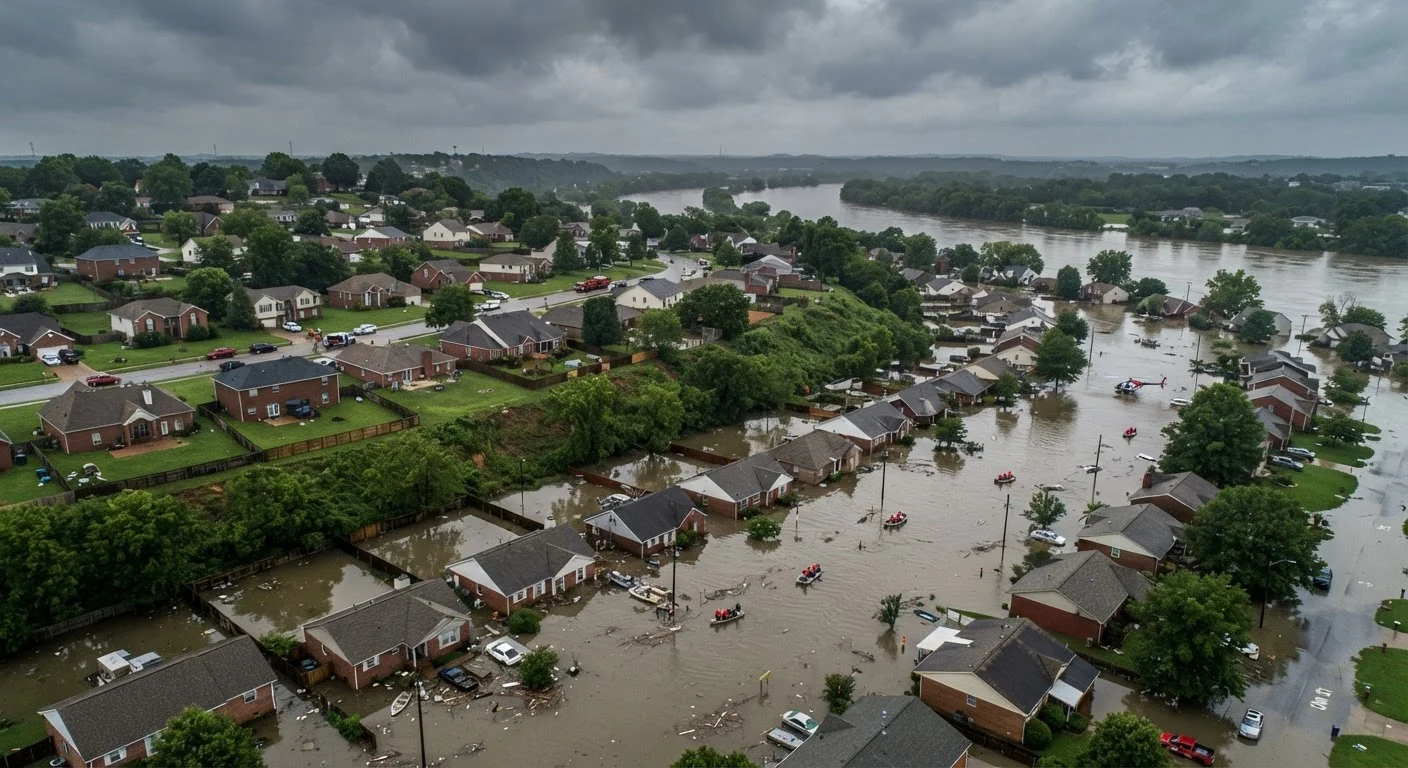
Purchasing a home in a flood zone is not automatically a bad decision - but it is one that demands a deeper layer of research than a typical home purchase. Flood designation affects insurance costs, lender requirements, and long-term resale value in ways that can meaningfully alter the true cost of ownership. Buyers who skip this due diligence often discover those costs only after closing, when options are limited.
This checklist is designed to help first-time and repeat buyers ask the right questions before making an offer on a flood-zone property. Use it alongside your standard home search process - including the room-by-room walkthrough checklist - to build a complete picture of the property's condition and cost implications.
Keep in mind that flood zone purchasing decisions involve insurance, financing, and legal considerations specific to your situation. This article provides general educational information, not personalized financial or legal advice. Consulting a licensed real estate attorney, insurance professional, and lender familiar with flood-zone properties is strongly recommended before committing.
FEMA Flood Map Service Center
Look up official flood zone designations and access flood maps for any US address.
Elevation Certificate
Document produced by a licensed surveyor showing the property's elevation relative to the Base Flood Elevation - required for accurate insurance quotes.
NFIP Policy Quote Tool
Obtain a National Flood Insurance Program quote through a licensed insurance agent to understand required coverage costs.
Licensed Home Inspector
Assess physical evidence of past flooding, drainage problems, and the condition of existing mitigation systems.
Real Estate Attorney
Review purchase agreements, local floodplain ordinances, and disclosure requirements before you commit.
Using This Checklist Effectively
Work through the checklist groups below in order. The earlier groups address foundational questions about the property's official flood status - information you need before evaluating insurance or financing. Later groups address mitigation, physical condition, and long-term value considerations that become relevant as you move deeper into your decision.
Gathering an elevation certificate and obtaining insurance quotes early is particularly important. Flood insurance premiums vary widely based on a property's elevation relative to the Base Flood Elevation (BFE) - the height floodwaters are projected to reach during a major flood event. A property just a foot above the BFE can cost significantly less to insure than one sitting below it. These numbers belong in your budget analysis before you make any offer.
For buyers purchasing in states with high flood exposure, understanding the financial realities of ownership extends well beyond the mortgage itself. The full cost of homeownership - including insurance, maintenance, and potential flood mitigation upgrades - deserves careful planning. If the home has a basement or low-lying crawl space, also review how systems like sump pumps work and how to maintain them, as these are often a front line of defense against water intrusion.
FEMA Maps Do Not Capture All Risk
FEMA flood maps are useful starting points but are not infallible. Many properties that have flooded are not officially designated as high-risk zones, and some areas face increasing risk due to changing weather patterns and urban development. Use FEMA's maps alongside an elevation certificate and local floodplain administrator input - not as a sole indicator of safety.
Insurance Policy Transfers Are Not Guaranteed
A seller may claim their NFIP policy has favorable grandfathered rates, but those rates may not automatically transfer to you as a new owner - or they may change if the flood map is updated. Always verify transferability with a licensed insurance agent before factoring a specific premium into your budget.
Flood Zone Status & FEMA Mapping
Elevation Certificate & Property Data
Insurance Requirements & Costs
Flood History & Disclosures
Mitigation Measures & Physical Condition
Financing & Resale Considerations
Repetitive Loss Properties Face Serious Consequences
Properties that have sustained repeated flood damage and filed multiple NFIP claims are classified as Repetitive Loss or Severe Repetitive Loss properties. These homes may face significantly higher insurance premiums, reduced coverage options, or even buyout programs administered by local governments. A full NFIP claims history review is essential before making an offer on any property with a known flood history.
This article is for general informational and educational purposes only. It does not constitute financial, insurance, or legal advice. Flood zone rules, insurance requirements, and financing eligibility vary by location and individual circumstances. Always consult qualified professionals - including a licensed insurance agent, lender, and real estate attorney - before making purchasing decisions.