

Key Takeaways
Significantly fewer crowds at major attractions
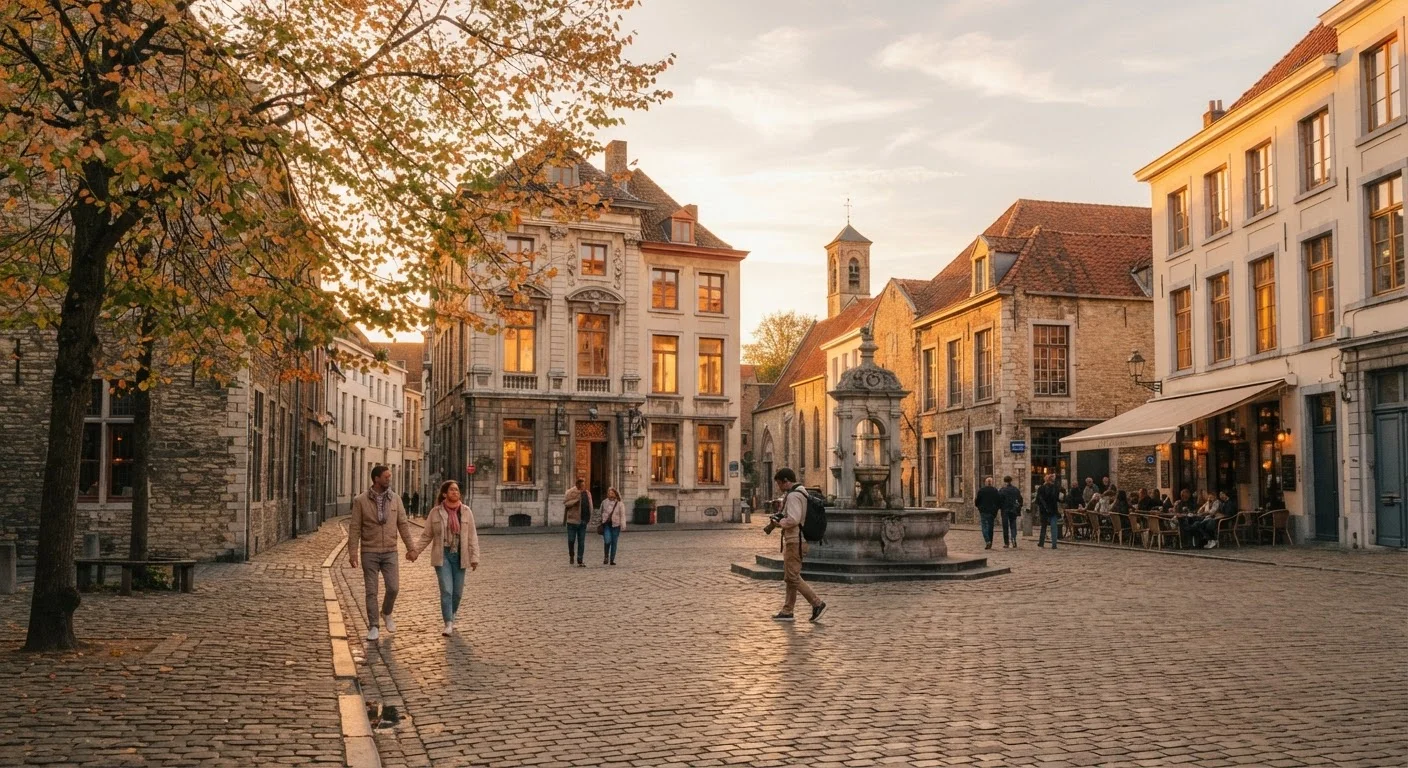
Popular sites - from national parks to European museums - see a dramatic drop in visitor numbers just weeks outside peak season, making experiences feel more personal and less rushed.
More authentic local atmosphere
When tourist numbers thin out, locals reclaim their own neighborhoods, giving travelers a truer sense of how a place actually lives and breathes.
Shorter waits and easier reservations
Restaurant reservations, timed-entry tickets, and popular tours are generally easier to secure outside peak periods, reducing the logistical pressure of planning.
Milder or more comfortable conditions at some destinations
In hot-climate destinations like southern Spain or Southeast Asia, the weeks just before or after peak season can offer genuinely pleasant temperatures compared to the intense summer heat.
A slower, more relaxed pace of travel
Without the pressure of peak-season crowds and activity, travelers often report feeling less rushed and more able to linger at places that genuinely interest them.
Unpredictable weather conditions
Shoulder months straddle seasonal transitions, which means a mix of good and poor weather days. Rain, wind, or unexpected cold snaps can disrupt outdoor plans.
Reduced operating hours or closures
Smaller restaurants, boutique hotels, seasonal attractions, and guided tours frequently operate on limited schedules or close entirely outside peak periods.
Some experiences simply aren't available
Seasonal ferry routes, outdoor events, and nature-based activities like wildflower hikes or specific wildlife viewing windows may not align with shoulder travel dates.
Requires more advance research and flexibility
Travelers can't rely on the assumption that popular services will be running - confirming hours, availability, and conditions in advance is more important than in peak season.
Daylight hours may be shorter in fall shoulder periods
In destinations at higher latitudes, fall shoulder travel means noticeably shorter days, which can limit outdoor sightseeing time compared to summer visits.
Our Verdict
Shoulder season travel rewards those willing to trade a degree of certainty for a richer, less-crowded experience. The trade-offs - variable weather, reduced services - are real, but manageable with good preparation. For many destinations, going just a few weeks before or after peak is the sweet spot that most Americans never think to try.
Best for flexible, curious travelers who want to experience popular destinations without the chaos of peak season and don't mind a little planning uncertainty.
What Shoulder Season Actually Means
Shoulder season sits in the gap between a destination's busiest tourist period and its slowest off-season stretch. For most European cities, that means April through May and September through October. In coastal Caribbean destinations, it often falls between the post-spring-break lull and the start of hurricane season. For national parks in the American West, it might be late spring or early October before heavy snowfall.
The exact window varies by destination, which is why blanket advice - "go in the fall!" - isn't always useful. A traveler heading to Iceland in late September will find shorter days and strong winds; a traveler going to Lisbon at the same time will likely enjoy mild, sunny weather and far fewer tour buses. Always research the specific rhythm of your destination before assuming the shoulder window works in your favor. See the full trade-off breakdown for a destination-by-destination perspective.
The Real Advantages of Going Off-Peak
Significantly fewer crowds at major attractions
Popular sites - from national parks to European museums - see a dramatic drop in visitor numbers just weeks outside peak season, making experiences feel more personal and less rushed.
More authentic local atmosphere
When tourist numbers thin out, locals reclaim their own neighborhoods, giving travelers a truer sense of how a place actually lives and breathes.
Shorter waits and easier reservations
Restaurant reservations, timed-entry tickets, and popular tours are generally easier to secure outside peak periods, reducing the logistical pressure of planning.
Milder or more comfortable conditions at some destinations
In hot-climate destinations like southern Spain or Southeast Asia, the weeks just before or after peak season can offer genuinely pleasant temperatures compared to the intense summer heat.
A slower, more relaxed pace of travel
Without the pressure of peak-season crowds and activity, travelers often report feeling less rushed and more able to linger at places that genuinely interest them.
The crowd reduction alone is transformative at certain destinations. Standing inside the Uffizi Gallery in Florence on a Tuesday in late October feels nothing like navigating the same rooms in July. National Park Service data has consistently shown that parks like Zion and Yellowstone see their heaviest single-day visitation in the summer months, making trails genuinely difficult to enjoy. Moving your trip by just four to six weeks can change the entire experience.
There's also an authenticity factor. When a city isn't overrun with tourists, locals reclaim their own restaurants, squares, and cultural spaces. That energy - the sense that a place has its own life beyond tourism - is hard to find in peak season.
41M+
Peak summer visitors to U.S. national parks
The National Park Service reports that July and August consistently account for the largest share of annual visitation across the national park system.
~30%
Typical visitor drop in early fall vs. peak summer
Visitation data from popular parks like Grand Canyon and Zion suggests fall months see roughly a quarter to a third fewer visitors than peak summer weeks.
The Honest Disadvantages
Unpredictable weather conditions
Shoulder months straddle seasonal transitions, which means a mix of good and poor weather days. Rain, wind, or unexpected cold snaps can disrupt outdoor plans.
Reduced operating hours or closures
Smaller restaurants, boutique hotels, seasonal attractions, and guided tours frequently operate on limited schedules or close entirely outside peak periods.
Some experiences simply aren't available
Seasonal ferry routes, outdoor events, and nature-based activities like wildflower hikes or specific wildlife viewing windows may not align with shoulder travel dates.
Requires more advance research and flexibility
Travelers can't rely on the assumption that popular services will be running - confirming hours, availability, and conditions in advance is more important than in peak season.
Daylight hours may be shorter in fall shoulder periods
In destinations at higher latitudes, fall shoulder travel means noticeably shorter days, which can limit outdoor sightseeing time compared to summer visits.
Shoulder season travel requires a realistic mindset about what might not be available. Some smaller, family-run restaurants and hotels close for vacation or renovations between peak periods. Boat tours, guided excursions, and seasonal ferry routes may run on reduced schedules. If a specific experience - say, a particular boat trip around a Greek island - is central to your trip, it's worth calling ahead rather than assuming it operates year-round.
Weather is the other unpredictable element. Shoulder months can deliver stunning days, but they can also bring rain, cold snaps, or unusual heat. Packing versatile layers and building flexibility into your itinerary helps. See how flexible vs. fixed planning can shape your comfort level with these variables.
Who Thrives in Shoulder Season
Not every traveler is equally suited to shoulder season. It works best for those who enjoy wandering without a rigid agenda, don't need every meal or activity pre-confirmed weeks in advance, and are comfortable adapting if something is closed. Solo travelers and couples tend to find it easier to pivot than larger groups - planning dynamics are simpler when fewer people need to agree. For a deeper look at how group size affects planning flexibility, solo vs. group travel planning is worth a read.
Travelers who are set on a specific type of trip - a beach-focused week, for instance - may need to weigh shoulder season conditions more carefully. A city break versus a beach vacation involves very different seasonal dependencies, and the shoulder window affects each type differently.
Check Entry Requirements Before You Go
Visa rules, health documentation requirements, and local regulations can change regardless of the season. Always verify current entry requirements through official government sources - both the U.S. Department of State and the destination country's official immigration authority - before finalizing your travel plans. Shoulder season does not affect entry requirements, but conditions can shift without much notice.