

Key Takeaways
From Inspiration to a Real Destination
Every trip starts somewhere - a photo that stops your scroll, a friend's offhand recommendation, or a long-standing bucket-list itch. The challenge is turning that vague pull into a concrete, achievable plan without losing the excitement in the process.
Before you settle on a destination, spend a few minutes clarifying what kind of experience you're after. Are you chasing relaxation, adventure, culture, food, or family time? Your answer filters the world down quickly. A week on the Amalfi Coast and a week hiking in Patagonia both sound incredible, but they demand very different logistics, budgets, and fitness levels.
Factor in practical constraints early: available vacation days, travel companions, passport validity, and a rough budget ceiling. Matching your desire to your constraints isn't settling - it's smart planning that sets you up for a trip you can actually take.
Write down your non-negotiables for a trip - the one or two experiences you absolutely must have - before you start researching logistics. Everything else can flex around those anchors.
Experienced trip planners know that starting with must-haves prevents the common trap of building an itinerary around convenience rather than meaning, which often leads to post-trip regret.
When estimating your travel budget, price out your actual itinerary rather than using generic per-day estimates - look up specific restaurants, museums, and transport routes you plan to use.
Per-day averages mask wide variation; a single pricey dinner or entry fee can throw off budget assumptions built on broad country-level data.
If you're new to planning trips independently, our grounded introduction for first-timers walks through the full process in plain terms.
Researching Your Destination the Right Way
Once you've landed on a destination, resist the urge to open 30 browser tabs at once. Unfocused research leads to information overload and contradictory advice - a well-documented planning trap covered in detail in our guide on researching a destination without getting overwhelmed.
A layered approach works better. Start with official sources - the U.S. State Department's travel advisories and the destination country's official tourism site - to understand entry requirements, current conditions, and any health advisories. Layer in reputable guidebooks for historical and cultural context, then use recent traveler accounts for on-the-ground reality checks.
Dig into seasonality, local holidays, and major events that could affect crowds and pricing. Understanding a destination's rhythms - not just its landmarks - is what separates informed travelers from those who show up during monsoon season or a national festival they didn't plan for. For a deeper dive into this research mindset, see how experienced travelers research unfamiliar places.
72%
Travelers who consult multiple sources before booking
According to travel industry research, most travelers use three or more information sources during destination research, reflecting the complexity of modern trip planning.
10-15%
Recommended contingency buffer in travel budgets
Financial travel advisors commonly recommend setting aside a contingency fund of 10-15% of total estimated trip cost to cover unexpected expenses.
6 months
Passport validity required beyond travel dates by many countries
A large number of countries require visitors' passports to be valid for at least six months beyond the intended travel dates - a detail many travelers miss until it's too late.
Building a Budget That Actually Works
A realistic travel budget covers more than flights and hotels. Think in categories: transportation (flights, trains, ground transport), accommodation, food, activities and entry fees, travel insurance, and a contingency buffer - generally 10-15% of your total estimate.
Research destination-specific costs: a week in Tokyo costs very differently from a week in Mexico City, even at similar accommodation tiers. Look up typical meal costs, public transit fares, and museum entry fees for your specific destination. Currency exchange rates and ATM fee structures also deserve a quick check before you leave.
If you're unfamiliar with common travel finance terminology - fare classes, travel credit, cancellation fees - our travel planning glossary is a handy reference to bookmark.
Booking Flights, Accommodation, and Activities
When it comes to booking, sequence matters. Flights typically drive your dates, so lock those in first - then move to accommodation, and finally pre-bookable activities. For popular destinations or peak travel periods, booking accommodation well in advance can make a meaningful difference in availability and price.
Read cancellation policies carefully before confirming any reservation. Flexible booking options offer peace of mind, especially for longer or more complex trips where plans might shift. Travel insurance - which covers trip cancellation, medical emergencies, and lost baggage - is worth researching for any international trip or significant financial commitment. (Coverage terms vary widely by provider; compare options carefully and read the fine print.)
Be deliberate about how many activities you pre-book. Locking in every hour leaves no room to breathe - or to discover something unexpected. Our article on itinerary traps that ruin vacations makes a compelling case for building in slack.
Pre-Departure Prep and Smart Packing
The two weeks before departure are high-stakes. Passport validity (many countries require six months beyond your travel dates), visa applications, required or recommended vaccinations, and travel insurance confirmation should all be sorted well ahead of time. Our pre-trip preparation checklist organizes every task by how far out you are, so nothing slips through.
For health and safety questions specific to your destination - vaccinations, food and water safety, altitude considerations - consult the CDC's traveler health resources and, where appropriate, a travel medicine clinic. Always verify current entry requirements directly with the destination country's embassy or consulate, as these can change.
Packing smart means matching your bag to your trip type and itinerary climate, not just stuffing everything that might be useful. A versatile capsule wardrobe, a well-stocked travel health kit, and digital copies of all important documents (passport, insurance, bookings) stored in a secure cloud location are habits experienced travelers swear by. Our Travel Safety & Health hub covers health prep in greater depth.
On the Ground: Staying Flexible and Safe
Even the best-laid plans meet reality. Transportation delays, unexpected closures, and weather shifts are part of travel - how you respond defines the trip. Keep a short list of backup options for key activities, and resist the urge to fill every gap immediately. Some of the most memorable travel moments happen in the unplanned spaces.
Stay connected to current local conditions: register with the Smart Traveler Enrollment Program (STEP) if traveling internationally, keep emergency contacts saved offline, and know how to reach your country's nearest embassy or consulate. Travel with physical copies of your documents in addition to digital backups.
Respect local laws, customs, and environmental guidelines at every destination. Responsible travel - keeping noise levels appropriate, following wildlife viewing rules, supporting local businesses - matters both ethically and practically. Many destinations are tightening regulations around overtourism, and being an informed, respectful visitor protects the places we all want to keep visiting. Explore destination-specific context in our Destination Guides hub.
The Post-Trip Wrap-Up
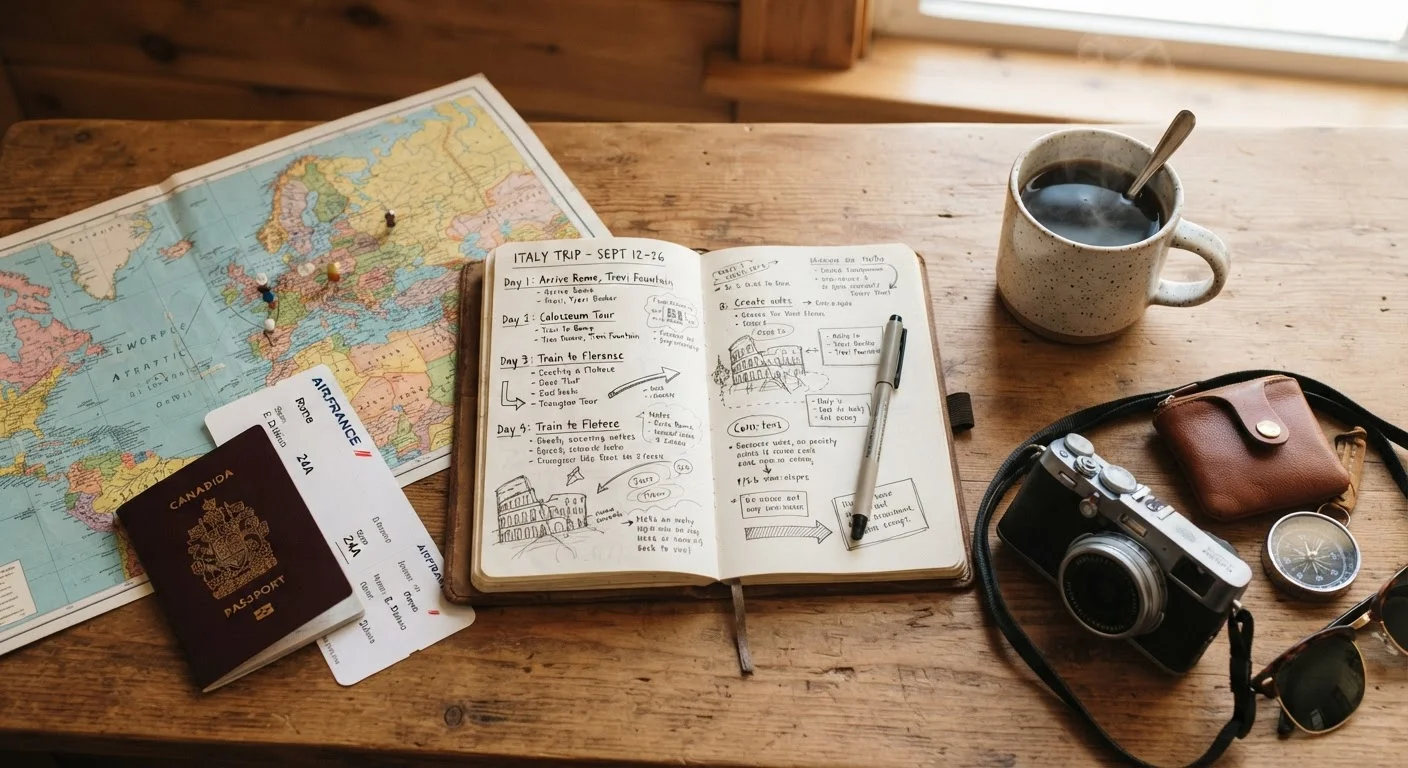
The trip isn't fully over when you land back home. A brief post-trip debrief - even just jotting notes in a travel journal - is one of the highest-leverage habits a traveler can develop. Capture what worked, what didn't, what you'd do differently, and any hidden gems worth remembering. This becomes invaluable when planning future trips.
Take care of a few practical loose ends: reconcile travel expenses against your budget, submit any travel insurance claims promptly if needed, and update your passport or document records if anything changed during travel. If you traveled internationally, monitor your health for a few weeks and consult a healthcare provider if anything unusual develops - some travel-related illnesses have delayed onset.
Finally, share what you learned. Whether it's a tip passed to a friend planning the same destination or a thoughtful review that helps future travelers, the knowledge you bring home has real value. Great trips aren't just experienced - they're reflected on, and that reflection makes the next one even better.