

Key Takeaways
Why Smaller Rocky Mountain Towns Deserve a Closer Look
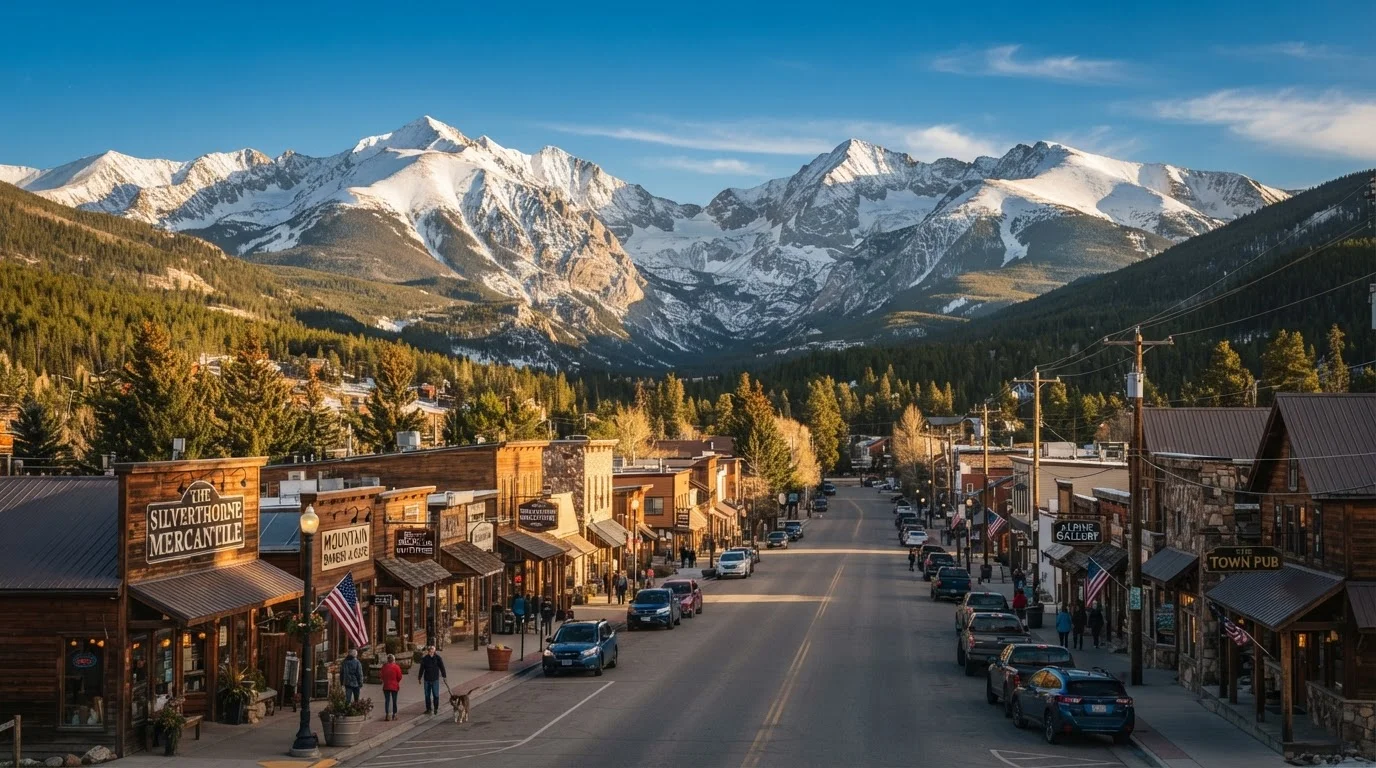
The Rocky Mountain West has a magnetic pull - epic terrain, clean air, and the promise of genuine escape. But the most famous destinations have become victims of their own appeal. Crowded trailheads, limited parking, and resort-town pricing can make the experience feel more stressful than restorative.
The good news: the Rockies span an enormous stretch of the American West, from New Mexico north through Colorado, Wyoming, Idaho, and Montana, and dozens of smaller communities sit within that range offering just as much natural beauty with far less friction. These aren't undiscovered secrets - they're simply overlooked by travelers who stick to the marquee names.
Whether you prefer hiking, wildlife watching, soaking in a natural hot spring, or simply sitting on a porch with a good view, the towns below each offer a compelling reason to slow down. If you're still deciding what kind of trip suits you best, this guide to matching trip types to travelers can help you think it through before you book.
Salida, Colorado
Perched at around 7,000 feet in the Arkansas River Valley, Salida punches well above its weight. The historic downtown - a National Historic District - is lined with galleries, independent restaurants, and a genuine arts scene that developed organically rather than being manufactured for tourists. The Arkansas River running through town is one of the premier whitewater rafting corridors in the country, and the surrounding mountains offer access to multiple 14ers for experienced hikers.
Salida also has a municipal hot springs pool, which makes it easy to soak tired muscles after a day on the trails. It's large enough to have amenities but small enough that you won't feel lost in a crowd.
Salida's authentic arts scene and Arkansas River access make it a rare Rocky Mountain gem.
Ridgway, Colorado
Just north of Ouray and often overlooked in favor of its more famous neighbor, Ridgway sits at the northern edge of the San Juan Mountains with views that have appeared in countless Western films - including True Grit. The town has a relaxed, unpretentious character and serves as an excellent base for exploring the San Juan Skyway, one of the most scenic drives in the American West.
Ridgway State Park offers camping and a reservoir popular for paddleboarding and fishing. The town itself has a small but well-curated selection of local businesses without the density or pricing pressure of nearby Telluride.
Ridgway offers San Juan Mountain access and cinematic scenery without Telluride's resort-town price tag.
Lander, Wyoming
Lander has a reputation among serious climbers - the surrounding limestone and granite of Sinks Canyon and Wild Iris make it a legitimate destination for technical climbing. But you don't need to clip bolts to enjoy it. Sinks Canyon State Park, just outside of town, features a fascinating geological phenomenon where the Popo Agie River disappears underground and resurfaces a quarter mile away.
Lander also sits near the Wind River Range, one of the most stunning and least-visited wilderness areas in the lower 48. The town itself has a strong outdoor-recreation culture and a down-to-earth feel rooted in its ranching and wind energy history.
Lander is a quiet gateway to the Wind River Range, one of Wyoming's most rewarding and overlooked wild places.
Driggs, Idaho
Across the Teton Range from the crowded Wyoming side sits Driggs, the kind of place that feels like Jackson Hole did before it became a luxury destination. Grand Targhee Resort is nearby for skiing and summer lift-served mountain biking, but the town itself retains an agricultural identity - grain elevators, working farms, and a community that hasn't been fully reshaped by tourism.
The west-side views of the Tetons from Driggs are arguably more dramatic than those from Jackson, and the absence of major park traffic means you can actually move around. It's an especially strong choice for families or travelers who want access to world-class scenery at a more measured pace.
Driggs delivers Teton views and mountain access with a fraction of the crowds found on the Wyoming side.
Red River, New Mexico
Often left off Rocky Mountain itineraries entirely - because New Mexico isn't always mentally grouped with the Rockies - Red River sits in the Sangre de Cristo Mountains at nearly 8,800 feet and offers a genuinely different flavor. A small ski area operates in winter, and in summer the surrounding Carson National Forest opens up for hiking, mountain biking, and fishing in the Red River itself.
The town has a folksy, unpretentious character with a frontier-era look that doesn't feel manufactured. It's a strong option for travelers coming from Texas or the Southwest who want mountain air and elevation without a long drive into Colorado.
Red River, New Mexico offers genuine high-altitude mountain character that most travelers haven't considered.
Philipsburg, Montana
In southwestern Montana's Granite County, Philipsburg is a small silver-mining town that has managed to preserve its 19th-century streetscape without turning into a theme park. The surrounding Pintler Wilderness and Anaconda-Pintler range offer serious backcountry for hikers and anglers, while Georgetown Lake - just a few miles away - is a popular spot for fishing and non-motorized watercraft.
Philipsburg is far enough off Interstate 90 that it sees a fraction of the traffic of nearby Missoula or Bozeman, which means you're much more likely to find lodging, a quiet trail, and a table at dinner without planning weeks in advance.
Philipsburg's preserved mining-era character and Pintler Wilderness access make it Montana's most underrated slow-travel stop.
Planning Your Visit: What to Keep in Mind
Most of these towns are accessible year-round, but the experience shifts considerably by season. Summer brings wildflowers, full trail access, and long daylight hours - but also peak visitor numbers. Fall is widely considered the region's most spectacular season, with aspen gold painting entire mountainsides, though some businesses reduce hours after Labor Day. Winter offers solitude and, in many places, affordable lodging - but mountain roads can close without notice.
Check Access Before You Arrive
Many of the roads and trails near these smaller towns pass through National Forest, BLM, or state lands with conditions that change seasonally - or overnight in bad weather. Before your trip, check the relevant state DOT, Forest Service, or park website for current road and trail status. Calling a local visitor center is often the fastest way to get accurate, up-to-date information.
For a fuller picture of what traveling outside peak season actually involves - including what services shrink and what improves - this honest breakdown of shoulder season travel is worth reading before you finalize dates. And if you're comparing a Rocky Mountain escape to something entirely different, this look at off-season coastal New England offers a useful contrast in what "slow travel" means in a different landscape.
Always verify road conditions through state DOT websites, check National Forest or BLM access updates, and confirm lodging and dining availability before you go. Smaller towns can fill up fast on holiday weekends even if they feel off the beaten path.
This article provides general destination information for planning purposes. Conditions, access, and services change - always check with official local and government sources before traveling.