

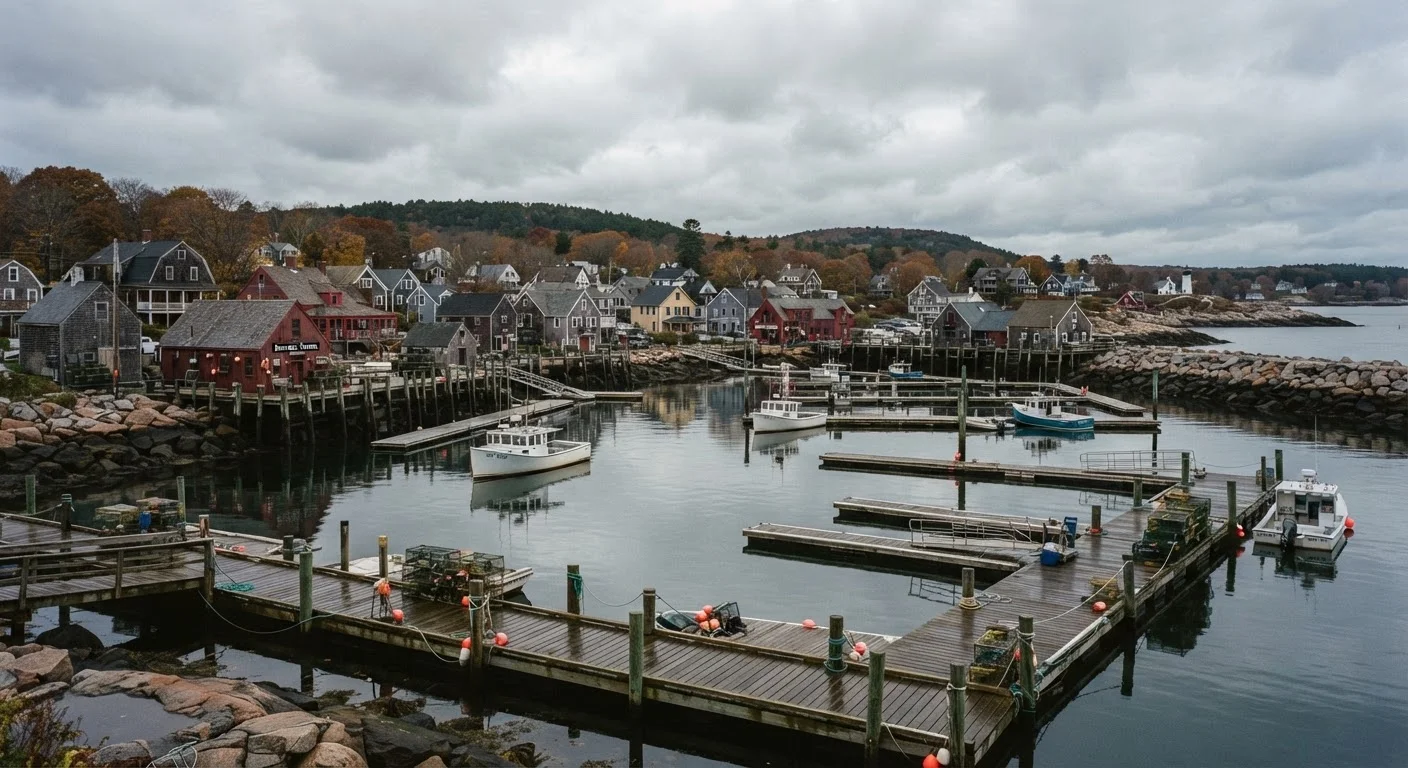
Key Takeaways
Lodging rates drop substantially outside peak summer
Many inns and hotels in coastal New England charge considerably less from October onward, making the region more accessible for travelers who found summer pricing prohibitive.
Crowds are dramatically reduced at popular sites
Acadia National Park, the Cape Cod National Seashore, and Newport's Cliff Walk can feel almost private in the off-season compared to their packed summer versions.
Fall foliage adds genuine scenic value in October
Coastal forests and inland hills turn in mid-to-late October, giving travelers a visual payoff that summer simply doesn't offer.
Local character and authenticity are easier to find
With fewer tourists, working fishing villages and year-round communities feel more like themselves - residents are more present and accessible.
Wildlife viewing improves in autumn and spring
Whale migration, shorebird staging, and hawk watching along the coast peak in fall, attracting naturalists who consider this the best time to visit.
Many restaurants and shops close entirely
Seasonal businesses - which make up a large share of the commercial landscape in towns like Ogunquit, Rockport, and Wellfleet - shut down between October and May, limiting dining and shopping options significantly.
Weather can be cold, wet, and unpredictable
Coastal nor'easters, persistent fog, and temperatures that can drop below freezing are genuine possibilities from November through March, and even October and April carry weather risk.
Ferry and transit services are reduced or suspended
Service to Martha's Vineyard, Nantucket, and other islands runs on limited schedules in the off-season and may be cancelled during storms, limiting flexibility for island-focused itineraries.
Attraction hours are shorter and less predictable
Museums, historic sites, and state parks may operate on reduced winter schedules or close mid-week - always verify hours directly before planning a visit around a specific stop.
Our Verdict
Off-season coastal New England rewards travelers who come prepared and stay flexible. The quieter atmosphere, lower costs, and dramatic scenery make it genuinely appealing - but only if you accept that some businesses will be closed and the weather may not cooperate. It's a trip for people who want texture over polish.
Travelers who enjoy slower-paced exploration, dramatic coastal scenery, and authentic local culture without the summer crowds will find the off-season particularly rewarding.
What the Off-Season Actually Looks Like
"Off-season" in coastal New England generally runs from mid-October through late May, though the exact window varies by location. Provincetown, Cape Cod, and Watch Hill, Rhode Island, scale back dramatically. Bar Harbor, Maine, sees a near-complete shutdown of tourist infrastructure after Columbus Day. Newport, Rhode Island, keeps more doors open year-round thanks to its year-round resident base and conference trade.
What this means practically: expect reduced transit options, shorter operating hours at museums and attractions, and a notable percentage of restaurants and shops displaying "See you next summer" signs. Travelers who don't verify ahead may arrive to find a shuttered block of storefronts. Always call or check websites before building a day around a specific stop.
That said, the coastline itself doesn't close. The rocky shores of Acadia, the dunes of the Cape Cod National Seashore, and the Cliff Walk in Newport remain accessible and often more dramatic under grey skies and without the shoulder-to-shoulder crowds. See our guide to shoulder season travel for a broader look at what this kind of timing actually delivers at popular destinations.
The Real Advantages of Going in the Off-Season
Lodging rates drop substantially outside peak summer
Many inns and hotels in coastal New England charge considerably less from October onward, making the region more accessible for travelers who found summer pricing prohibitive.
Crowds are dramatically reduced at popular sites
Acadia National Park, the Cape Cod National Seashore, and Newport's Cliff Walk can feel almost private in the off-season compared to their packed summer versions.
Fall foliage adds genuine scenic value in October
Coastal forests and inland hills turn in mid-to-late October, giving travelers a visual payoff that summer simply doesn't offer.
Local character and authenticity are easier to find
With fewer tourists, working fishing villages and year-round communities feel more like themselves - residents are more present and accessible.
Wildlife viewing improves in autumn and spring
Whale migration, shorebird staging, and hawk watching along the coast peak in fall, attracting naturalists who consider this the best time to visit.
The most immediate benefit most travelers notice is the quiet. Parking lots that charge peak-season premiums sit largely empty. Lobster shacks that do stay open will seat you immediately. Innkeepers have time to talk. There's a version of coastal New England that residents actually live in, and the off-season is when visitors can access it.
Foliage peaks in mid-to-late October across much of the region, and whale migration off the Massachusetts coast continues into fall. Birders consistently rate the Cape Cod autumn as exceptional. If your goal is nature over nightlife, the shoulder and off-seasons offer something summer simply cannot.
For a broader comparison of coast-focused versus urban travel, our breakdown of city breaks versus beach vacations may help you clarify what you're actually after.
The Real Disadvantages You Should Anticipate
Many restaurants and shops close entirely
Seasonal businesses - which make up a large share of the commercial landscape in towns like Ogunquit, Rockport, and Wellfleet - shut down between October and May, limiting dining and shopping options significantly.
Weather can be cold, wet, and unpredictable
Coastal nor'easters, persistent fog, and temperatures that can drop below freezing are genuine possibilities from November through March, and even October and April carry weather risk.
Ferry and transit services are reduced or suspended
Service to Martha's Vineyard, Nantucket, and other islands runs on limited schedules in the off-season and may be cancelled during storms, limiting flexibility for island-focused itineraries.
Attraction hours are shorter and less predictable
Museums, historic sites, and state parks may operate on reduced winter schedules or close mid-week - always verify hours directly before planning a visit around a specific stop.
Check Ferry and Service Schedules Carefully
Off-season ferry schedules to Cape Cod islands and coastal Maine destinations are reduced substantially and can be cancelled on short notice due to weather. Before booking accommodation on Nantucket or Martha's Vineyard in the off-season, confirm that return service is reliable during your travel window and have a contingency in mind. Contact ferry operators directly for current schedules rather than relying on third-party booking sites.
Weather is the variable that derails the most off-season plans. Nor'easters can arrive with little warning between November and March, making coastal driving hazardous and ferry crossings to islands like Nantucket or Martha's Vineyard unreliable or suspended. Even in October and April - the gentler shoulders of the off-season - sustained wind and rain are normal, not exceptional. Pack layers, waterproof outerwear, and a contingency plan for days when outdoor activities aren't workable.
If you're driving to the region, the shift in conditions is worth planning around. Preparing your vehicle for winter conditions is worth doing before any trip that may involve icy or wet roads along the coast.
What Holds Up No Matter the Season
The seafood is year-round and arguably better outside summer. Lobster prices tend to drop as tourist demand falls, and local fish markets that supply restaurants all winter still carry exceptional product. A bowl of chowder at a working waterfront diner in January hits differently than the same bowl in a packed August dining room.
The architectural character - the shingled cottages, the widow's walks, the granite lighthouses - doesn't pack up and leave. Neither does the history. Salem, Massachusetts, runs programming beyond its October peak. The Breakers and other Newport mansions operated by the Preservation Society of Newport County maintain winter hours, though days and times are reduced. Providence's cultural institutions operate year-round.
~50%
Typical off-season lodging rate reduction
Industry observers consistently note that coastal New England accommodation rates can fall by roughly half or more compared to July and August peaks, though rates vary widely by property and subregion.
3M+
Annual visitors to Acadia National Park
Acadia draws over three million visitors annually; the vast majority arrive between June and September, meaning fall and winter visits offer a markedly different and quieter experience.
For those weighing whether off-season fits their travel style, a closer look at shoulder season trade-offs lays out the full picture across different destination types.