

Why Water Heater Warnings Deserve Attention
A water heater works quietly in the background for years, and it's easy to forget it exists - until something goes wrong. The problem is that a full failure rarely happens without warning. Most units send clear distress signals weeks or even months in advance. Recognizing them early can be the difference between a simple repair and an emergency replacement, or worse, water damage to your home.
Much like plumbing problems homeowners commonly delay, water heater issues tend to get worse - and more expensive - the longer they're ignored. This reference guide walks through the most common warning signs and what each one typically means.
The Warning Signs and What They Mean
Rumbling or Popping Noises
A healthy water heater should operate with minimal sound. Rumbling, popping, or banging noises usually indicate sediment buildup at the bottom of the tank. Over time, minerals like calcium and magnesium settle and harden. When the heating element works against this layer, it forces water through the sediment, causing those distinctive sounds. Left unaddressed, sediment insulates the tank floor from heat, forcing the unit to work harder and shortening its lifespan.
Rusty or Discolored Hot Water
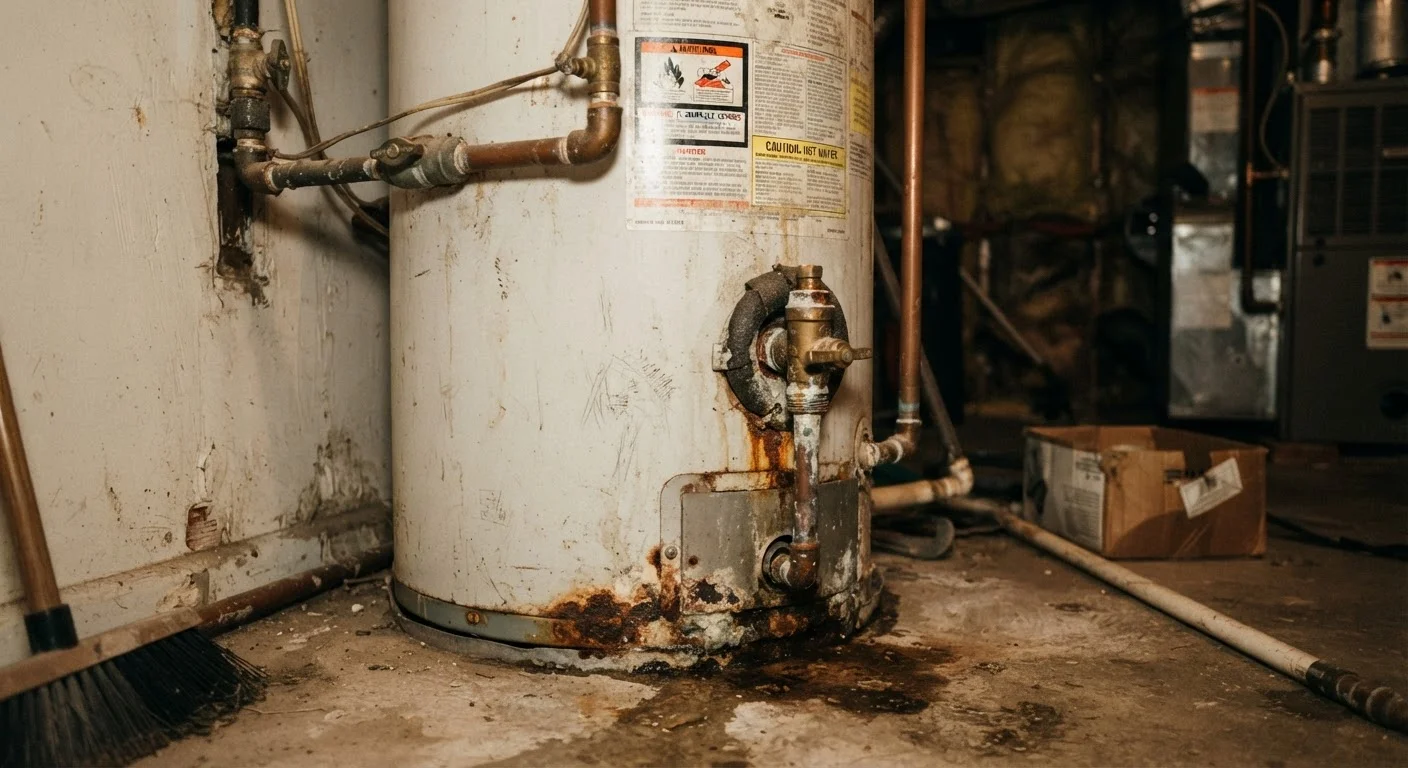
If your hot water runs orange or brown, corrosion is the likely cause. This can originate from the tank's interior lining or from a deteriorating anode rod - a sacrificial metal rod designed to attract corrosive elements before they attack the tank. A spent anode rod is often a straightforward fix; a corroded tank interior generally is not and often signals the unit needs replacement.
Inconsistent Water Temperature
Water that fluctuates between scalding and lukewarm, or simply never reaches the right temperature, may indicate a failing thermostat or a worn heating element (on electric models). A licensed plumber can test these components individually to identify the source before assuming the entire unit is at fault.
Water Pooling Around the Base
Any standing water near the base of your water heater is a serious sign. Small leaks can develop from a loose fitting or a faulty pressure relief valve - both repairable. But leaks originating from the tank body itself typically mean internal corrosion has created a breach. In that case, replacement is generally necessary. Water damage spreads quickly, and as with small roof leaks that escalate into structural problems, what starts as a minor drip can silently damage flooring and framing.
Longer Recovery Times
If your hot water runs out faster than it used to, or takes noticeably longer to reheat, sediment buildup or a weakening heating element is usually the cause. Reduced efficiency often translates directly into higher energy bills, similar to how skipping HVAC maintenance quietly raises operating costs.
Anode Rod
A metal rod (usually magnesium or aluminum) inserted into the water heater tank to attract corrosive minerals, protecting the tank lining from rust. It is consumed over time and must be periodically inspected and replaced.
Sediment Buildup
Mineral deposits - primarily calcium and magnesium - that accumulate at the bottom of the tank as hard water is heated repeatedly. Sediment reduces efficiency and can eventually damage the tank.
Pressure Relief Valve
A safety device that automatically releases water if tank pressure or temperature rises to a dangerous level. A leaking or non-functional valve is a serious safety concern requiring prompt attention.
Recovery Time
The time it takes for a water heater to reheat a full tank of water after it has been depleted. Longer recovery times can indicate an aging or underperforming unit.
Dip Tube
A pipe inside the tank that directs cold incoming water to the bottom, where it is heated, preventing it from mixing with the hot water at the top. A broken dip tube can cause inconsistent water temperatures.
Age and What to Do Next
Most conventional storage water heaters have a useful lifespan of roughly 8 to 12 years, depending on water quality, usage, and maintenance history. The age of your unit is typically stamped into the serial number - check the manufacturer's website for their decoding format if it isn't immediately obvious.
If your unit is approaching or past the 10-year mark and you're noticing any of the warning signs above, a proactive consultation with a licensed plumber is a reasonable next step. Waiting for a complete failure means making decisions under pressure, often at a more inconvenient time and cost. Routine annual maintenance - primarily flushing sediment and inspecting the anode rod - can extend a unit's life and delay the need for replacement.
This article provides general home maintenance information for educational purposes. For diagnosis, repair, or replacement of water heaters, consult a licensed plumbing professional familiar with your local codes and requirements.